YunGang Industrial Zone, Yuhuan County, Zhejiang province, China
  +86-18967680938
 Language
 English
 Deutsch
 عربى
عربى



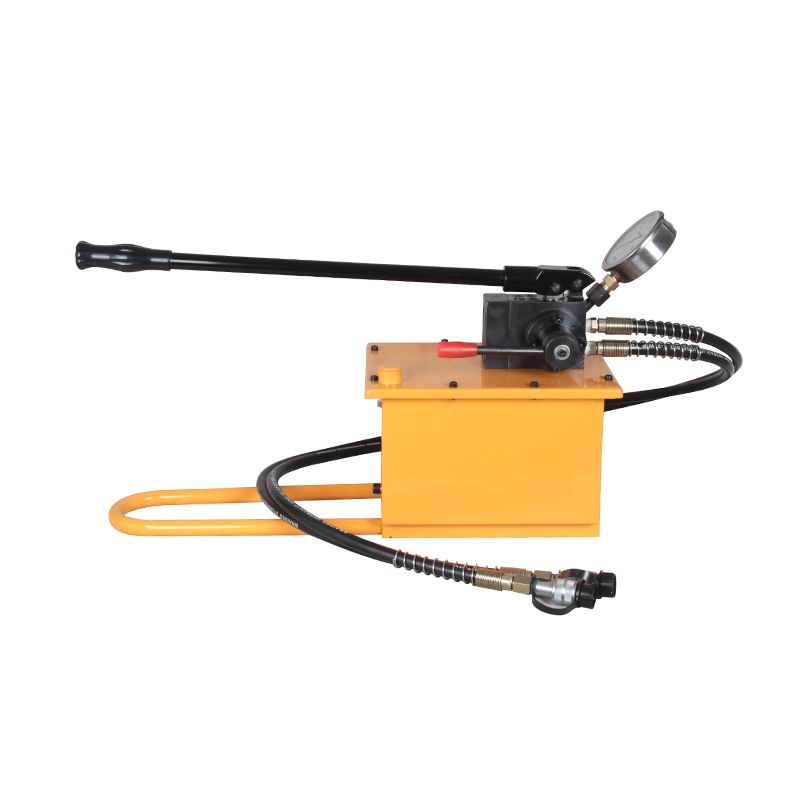
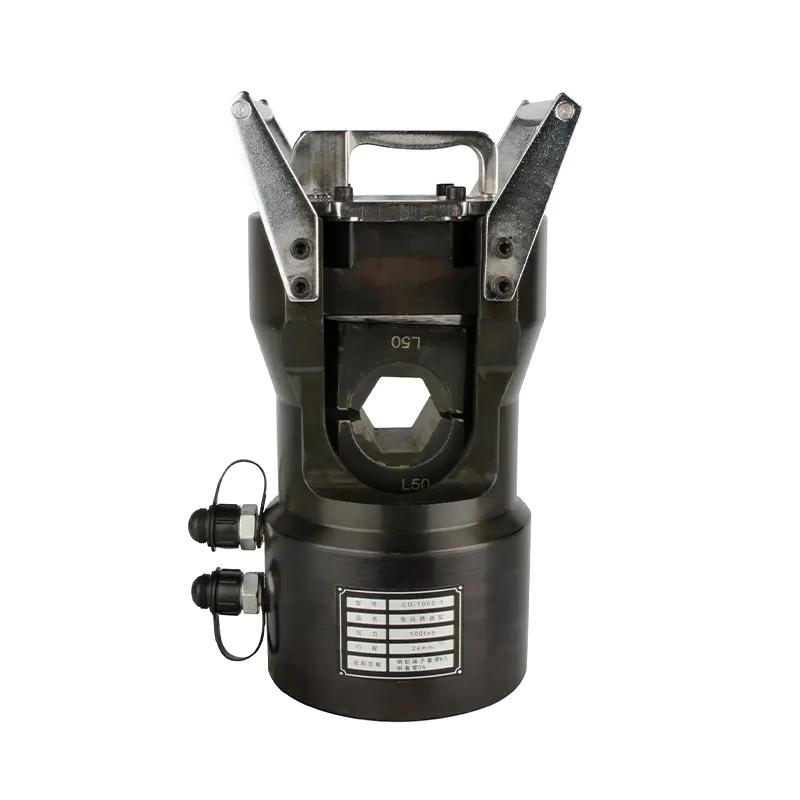
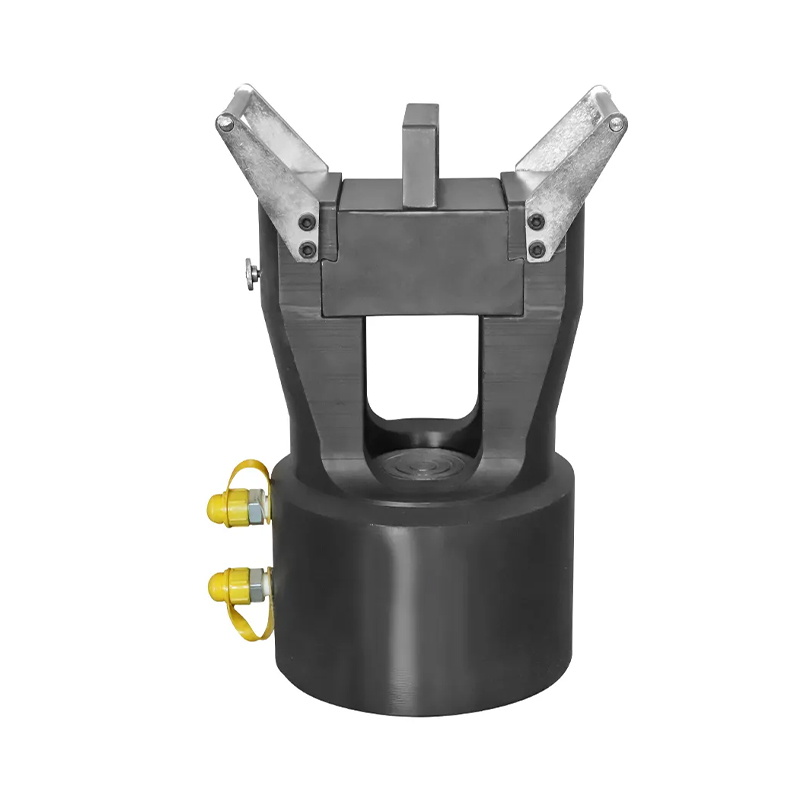
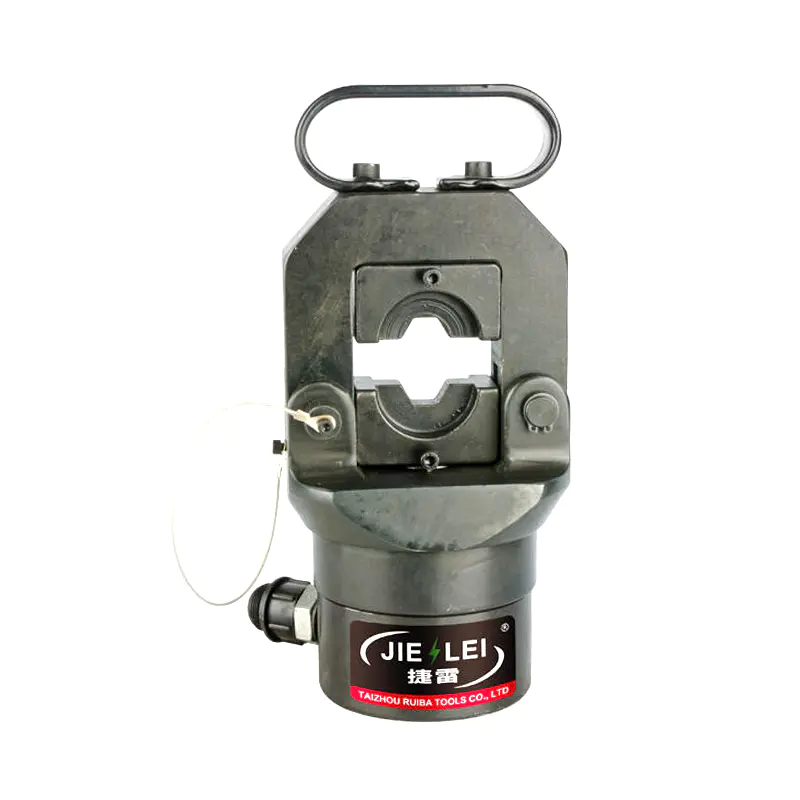
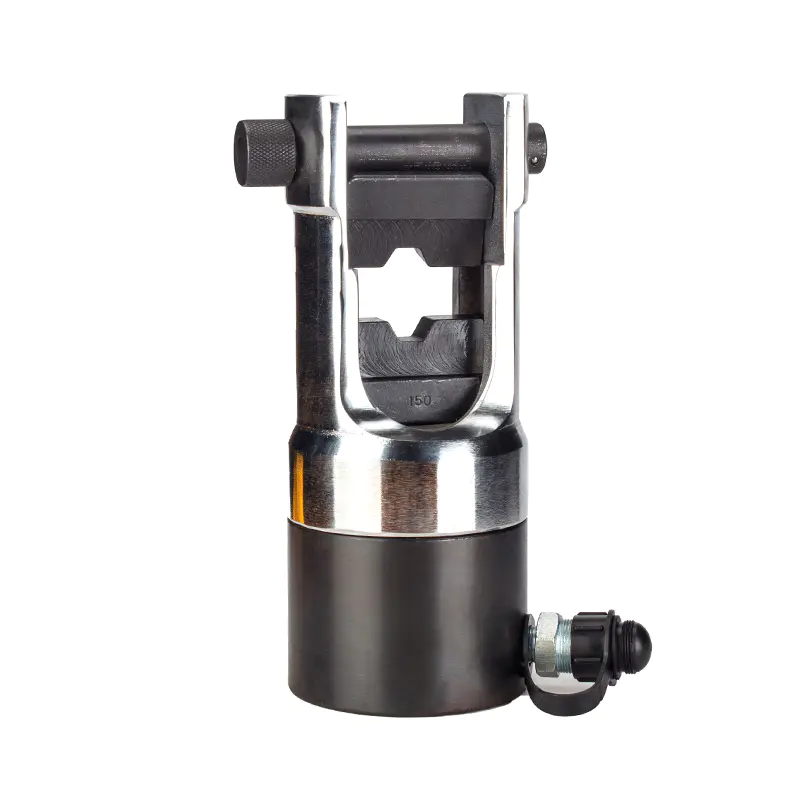
When people think about powerful machines, they often picture engines, motors, or complex control panels. Rarely do they think about the Hydraulic Pump working behind the scenes. Yet this compact device plays a crucial role in construction equipment, factory systems, agricultural machinery, and even marine applications. Without it, many heavy tasks would be slower, less precise, or simply impossible.
At its core, a Hydraulic Pump converts mechanical energy into hydraulic energy. It moves fluid through a system, creating pressure that drives cylinders, motors, or actuators. While the concept sounds technical, its impact is easy to see—lifting tons of material, steering massive equipment, or pressing metal into shape.
The principle behind a Hydraulic Pump is straightforward. Mechanical input, often from an electric motor or engine, causes internal components to move. This movement pushes hydraulic fluid through the system. Once the fluid flows under pressure, it can be directed to perform specific tasks.
Because liquids are nearly incompressible, the force generated can be both strong and consistent. This makes hydraulic systems suitable for jobs that require controlled power rather than sudden bursts of speed. From lifting platforms to industrial presses, the steady output of a Hydraulic Pump supports smooth operation.
It is easy to associate hydraulic equipment with excavators and cranes. However, the presence of a Hydraulic Pump extends far beyond large construction projects.
In agriculture, tractors and harvesters rely on hydraulic systems to adjust attachments and manage heavy loads. In manufacturing plants, hydraulic presses shape components with reliable pressure. Even in smaller settings—like auto repair shops—hydraulic lifts allow vehicles to be raised safely for maintenance.
The versatility of this device comes from its adaptability. Different types of pumps, such as gear, vane, or piston designs, are chosen based on pressure requirements, flow rate, and working environment. Each configuration offers specific advantages, allowing engineers to tailor systems to particular needs.
One reason the Hydraulic Pump remains widely used is its relatively straightforward design. Compared to purely mechanical transmission systems with multiple gears and linkages, hydraulic setups can reduce complexity in certain applications.
By transmitting force through fluid rather than rigid components, systems can achieve smoother motion and flexible routing. Hoses and pipes allow power to be directed around corners or across distances without bulky shafts. This makes installation and layout planning more adaptable.
Maintenance also benefits from this structure. While hydraulic systems require regular fluid checks and seal inspections, worn components can often be replaced without dismantling entire machines. With proper care, a Hydraulic Pump can deliver reliable performance for years.
Despite its robust nature, a Hydraulic Pump is not maintenance-free. Clean hydraulic fluid is essential. Contaminants such as dust, metal particles, or moisture can reduce efficiency and cause internal wear.
Routine inspection of filters, seals, and fluid levels helps prevent unexpected downtime. Operators also monitor temperature, since overheating can affect both fluid properties and component durability. Preventive care supports consistent output and extends system lifespan.
In many industries, scheduled maintenance programs are built around hydraulic equipment. This reflects how critical the pump's function is to daily operations.
As industries evolve, expectations around energy use and environmental impact continue to grow. Engineers are developing systems that improve fluid control and reduce leakage, contributing to more responsible operation.
Some Hydraulic Pump systems are now integrated with electronic controls, allowing more precise adjustment of pressure and flow. This blend of mechanical and digital technology enables smoother performance and improved monitoring without changing the fundamental principle of hydraulic power.
Although it rarely receives public attention, the Hydraulic Pump remains central to countless machines. It does not roar like an engine or shine like a polished exterior panel. Instead, it works steadily in the background, converting motion into controlled force.
Whether lifting heavy loads, shaping industrial materials, or adjusting farm equipment, the Hydraulic Pump continues to support modern infrastructure in subtle but meaningful ways. In a world that depends on reliable power transfer, this compact device proves that strength often comes from systems we barely notice.