YunGang Industrial Zone, Yuhuan County, Zhejiang province, China
  +86-18967680938
 Language
 English
 Deutsch
 عربى
عربى
Home / News / Industry News / Why Are Manufacturers Upgrading Copper Bar Processing Equipment for Modern Electrical Systems?




Electrical systems are becoming more compact across industries such as renewable energy, industrial automation, transportation, and data infrastructure. As cabinets and control systems shrink in size, the demand for accurate copper component fabrication continues to increase. Because of this shift, many manufacturers are paying closer attention to the role of Copper Bar Processing Equipment in daily production work.
Traditional manual handling methods are still used in some workshops, but modern electrical projects often require tighter tolerances and more consistent processing results. Busbars now appear in charging stations, switchgear systems, energy storage units, and modular electrical cabinets where installation space is limited.
Compact Electrical Designs Require More Precise Processing
Older electrical systems generally had larger installation spaces, which allowed more flexibility during assembly. Today, compact layouts leave less room for fitting errors or uneven bending.
This change has increased demand for Copper Bar Processing Equipment capable of handling cutting, punching, and bending within controlled dimensions. Even small deviations may affect alignment inside electrical cabinets.
In many fabrication workshops, operators now process copper bars for applications such as:
As projects become more customized, production teams often handle multiple copper bar specifications within the same workday.
Small-Batch Production Is More Common Than Before
Large-volume manufacturing still exists, but many electrical component suppliers now receive smaller customized orders from different industries. Some projects require only limited quantities with highly specific dimensions.
Because of this, Copper Bar Processing Equipment with flexible setup adjustments is becoming more attractive to workshops handling varied production tasks.
Machines supporting faster tooling changes can help reduce downtime between orders. Operators also prefer systems with digital positioning features because repeated manual measurement may increase processing inconsistencies.
For smaller manufacturers, flexibility sometimes matters more than pure production speed.
Copper Waste Is Receiving More Attention
Copper prices fluctuate regularly, making material utilization an important part of production planning. Excessive waste during cutting or punching directly affects manufacturing costs over time.
Many factories using Copper Bar Processing Equipment now focus on layout planning before production begins. Proper positioning can help reduce unused sections and improve material efficiency during batch processing.
Some workshops also separate recyclable copper remnants for secondary processing instead of discarding them immediately. Material management has become part of operational cost control rather than a simple cleanup task.
Equipment Maintenance Influences Daily Output
Copper processing environments create metal debris and fine particles that may affect machine performance if maintenance is ignored. Punching units, hydraulic systems, and bending sections all require regular inspection.
Factories operating Copper Bar Processing Equipment on daily schedules often establish maintenance routines that include:
Routine inspection may help reduce unexpected interruptions during production cycles.
Automation Is Entering Mid-Sized Workshops
Automation was once associated mainly with large industrial facilities. However, mid-sized workshops are gradually adopting semi-automatic systems to improve consistency during repeated processing tasks.
Modern Copper Bar Processing Equipment may include programmable positioning systems, angle controls, or multi-function processing stations. These features help operators manage different production requirements without switching between separate machines repeatedly.
At the same time, many companies still prefer equipment that remains easy to operate and maintain without requiring highly specialized technical staff.
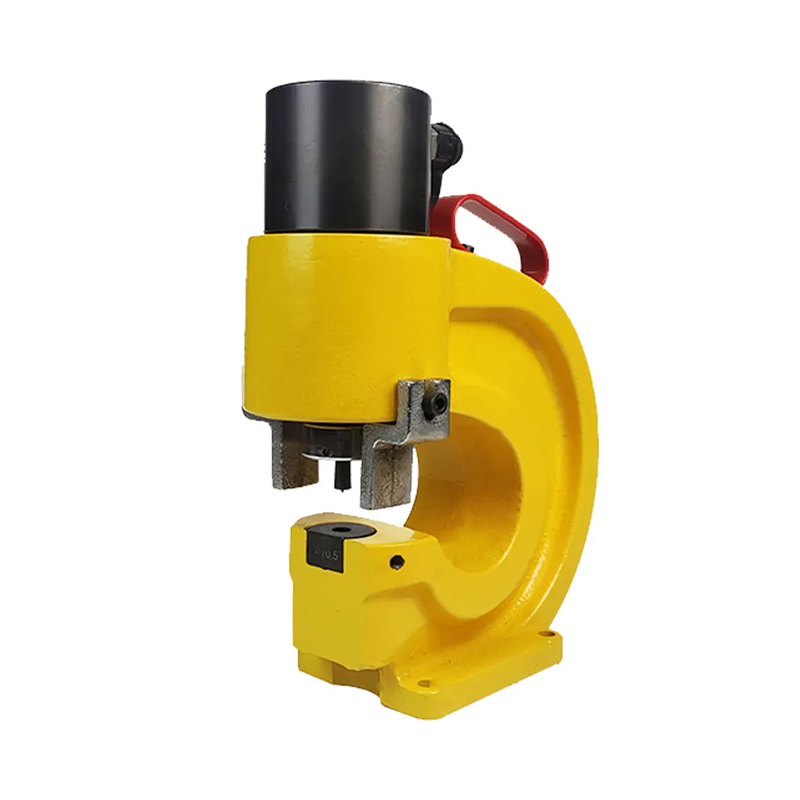
Electrical manufacturing continues to evolve as power systems become more compact and project requirements grow more detailed. Copper processing is no longer limited to basic cutting and bending tasks. Accuracy, workflow flexibility, and material management now influence how fabrication workshops select their machinery.
As demand for customized electrical systems increases across industries, the role of Copper Bar Processing Equipment continues to expand in both small and large manufacturing environments.