YunGang Industrial Zone, Yuhuan County, Zhejiang province, China
  +86-18967680938
 Language
 English
 Deutsch
 عربى
عربى
Home / News / Industry News / How Does a Cordless Hydraulic Crimping Tool Change the Way Connections Are Made?




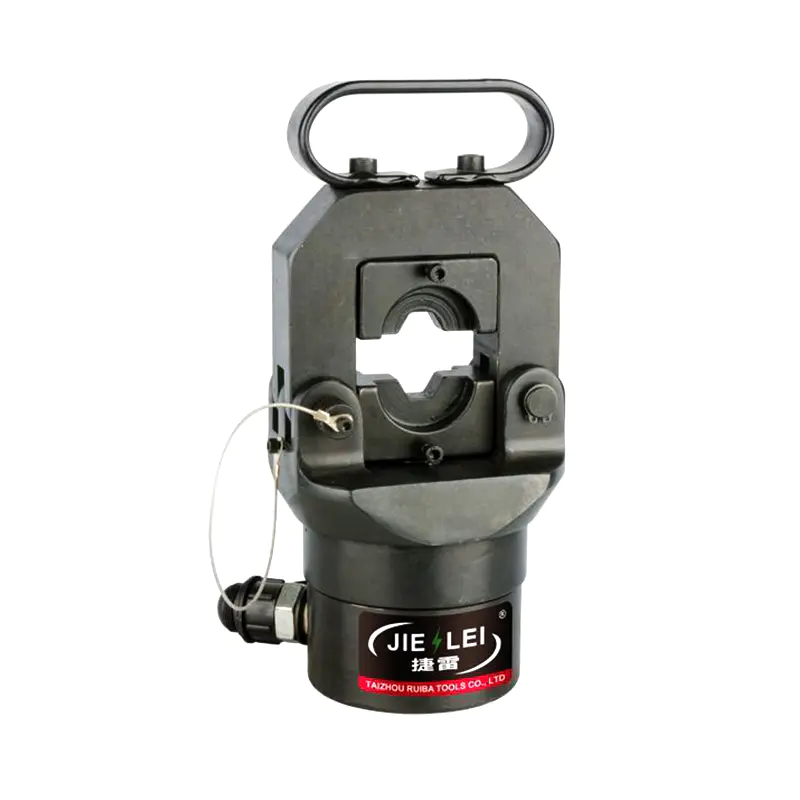
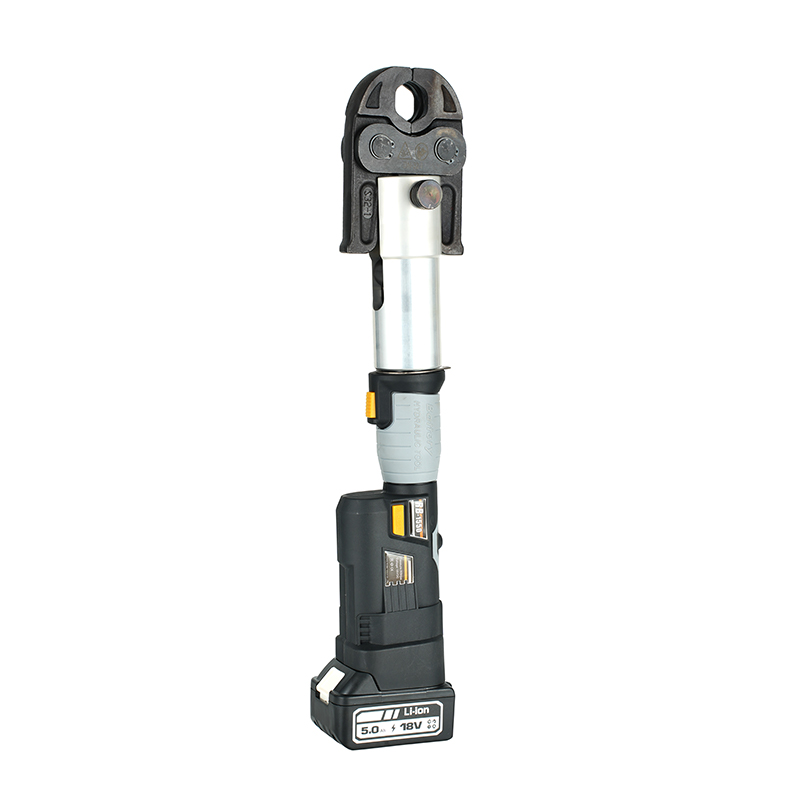
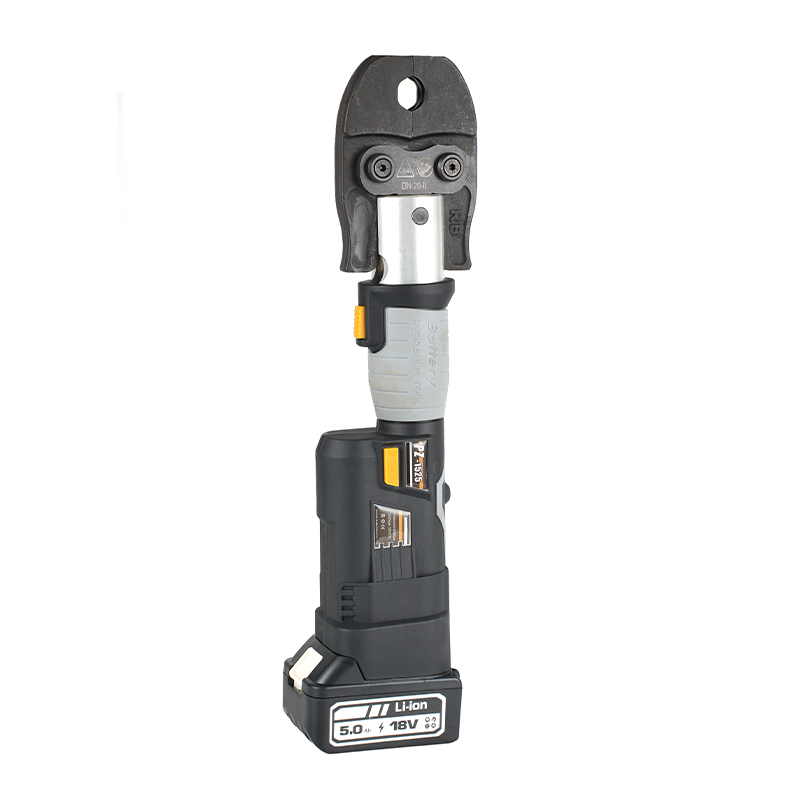
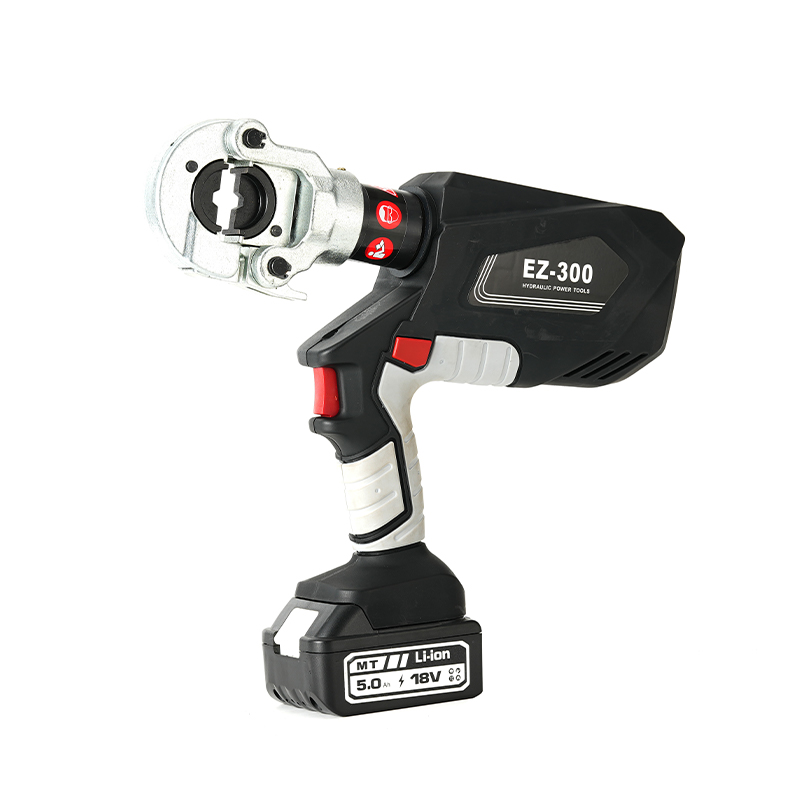
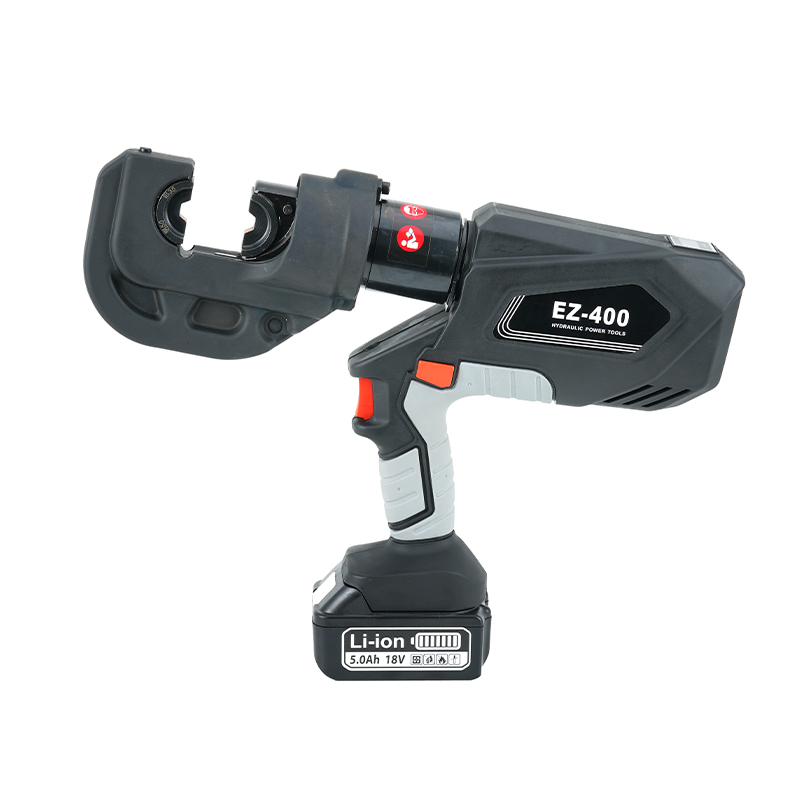
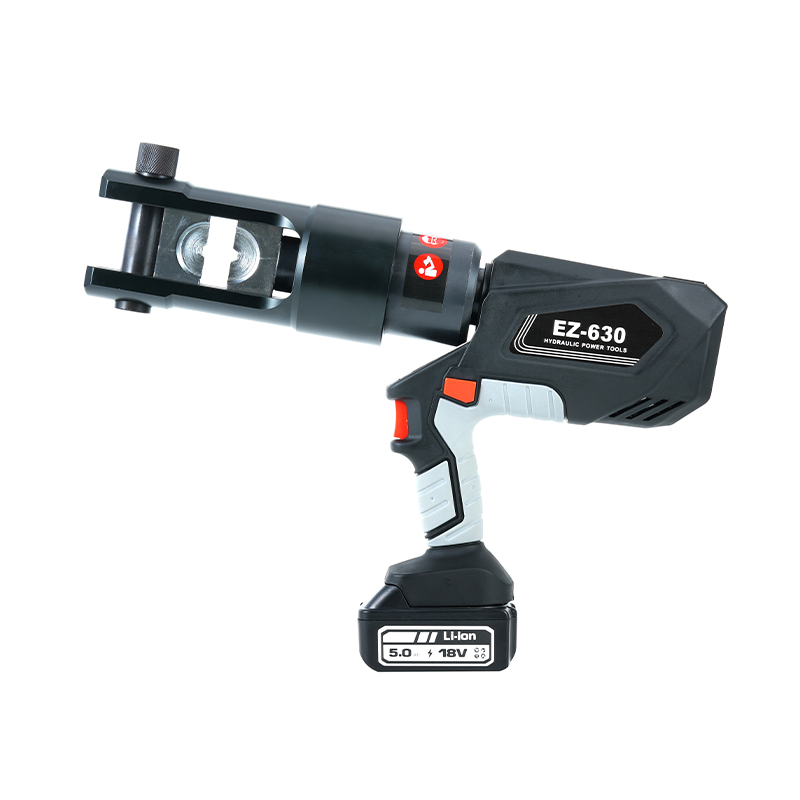
In electrical installation and industrial maintenance, secure connections are non-negotiable. Cables must be firmly crimped to ensure stable current flow and long-term reliability. For years, technicians relied on manual crimpers or corded hydraulic systems. Today, the Cordless Hydraulic Crimping Tool is reshaping how this work gets done—bringing mobility, consistency, and efficiency into one compact device.
Traditional hydraulic crimping systems often require external pumps or power sources. While effective, they limit movement and add setup time. A Cordless Hydraulic Crimping Tool removes that restriction. Powered by rechargeable batteries, it allows technicians to move freely around job sites without dragging hoses or searching for outlets.
This mobility becomes especially valuable in tight spaces such as utility poles, switch cabinets, or construction scaffolding. Workers can focus on positioning cables rather than managing equipment. In remote locations where power supply is limited, cordless operation simplifies logistics.
Crimping is not just about squeezing metal; it's about applying consistent pressure. Uneven force can result in weak connections, overheating, or long-term failure. A Cordless Hydraulic Crimping Tool uses hydraulic force to deliver stable compression with minimal variation between crimps.
Many models feature automatic pressure control and release systems. Once the required pressure is reached, the tool stops or releases automatically. This reduces guesswork and supports uniform results, particularly when handling large cable lugs or industrial connectors.
Consistency is not only about performance—it also affects safety. Secure crimps reduce the risk of loose connections, which can cause sparks or equipment damage.
On busy job sites, time matters. Setting up manual tools, adjusting dies, and applying repeated hand force can slow down workflow. A Cordless Hydraulic Crimping Tool shortens this process by combining hydraulic strength with one-button operation.
With quick die changes and battery-powered action, technicians can move from one connection to the next efficiently. Over the course of a day, these small time savings add up. For contractors managing multiple installations, smoother workflow can make scheduling more predictable.
However, speed does not mean sacrificing precision. Modern cordless designs maintain controlled force while reducing physical strain.
Manual crimping of thick cables requires significant hand strength. Repeated force can cause wrist and arm fatigue, especially during large projects. By using hydraulic assistance, a Cordless Hydraulic Crimping Tool shifts the effort from the operator's muscles to the internal mechanism.
This change can make long working hours more manageable. Less strain may also lower the risk of repetitive stress injuries. For teams handling daily electrical installations, ergonomic tools contribute to long-term productivity.
While commonly associated with electrical wiring, the Cordless Hydraulic Crimping Tool serves various industries. Renewable energy projects, railway systems, telecommunications networks, and industrial plants all rely on reliable cable connections.
In solar installations, for example, technicians often work outdoors and on rooftops. The portability of cordless equipment supports mobility in these environments. In maintenance settings, quick response to unexpected cable repairs is easier when tools are ready without external power.
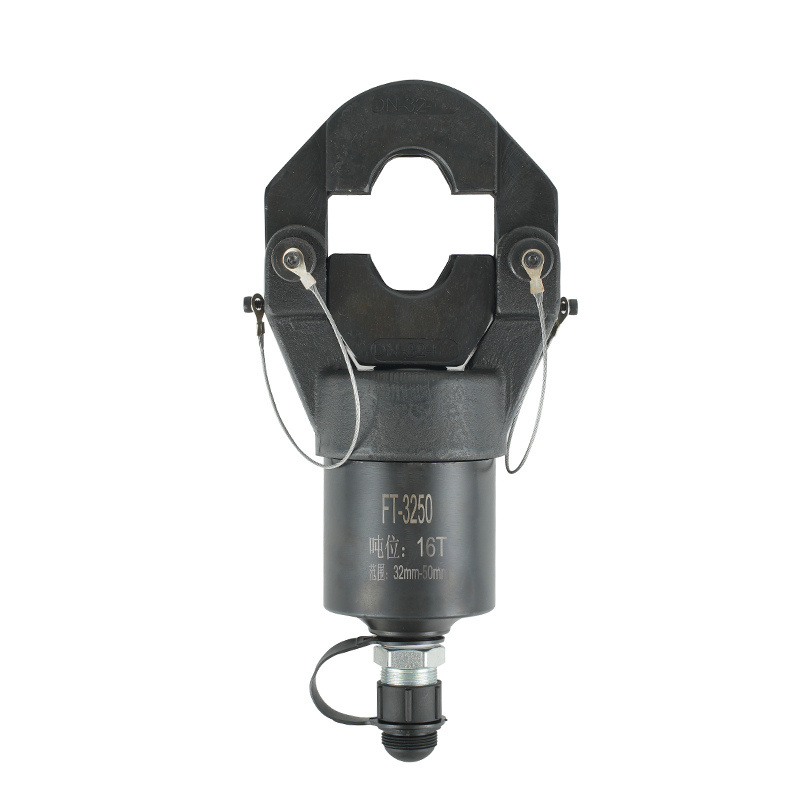
The flexibility of interchangeable dies allows one tool to handle different cable sizes, reducing the need to carry multiple devices.
Battery-powered tools have evolved significantly. Modern batteries provide stable output and reasonable runtime for full work shifts. Some Cordless Hydraulic Crimping Tool models include digital indicators that show battery level or crimp count, helping technicians plan usage more effectively.
Despite these advances, the tool remains straightforward in function: align the connector, press the trigger, and allow hydraulic force to complete the crimp. This simplicity makes training relatively quick compared to more complex machinery.
The rise of the Cordless Hydraulic Crimping Tool reflects a broader shift toward mobility and efficiency in industrial work. Tools are becoming lighter, more portable, and easier to integrate into fast-paced environments.
It may not attract attention outside the trade, but for technicians handling critical cable connections, the difference is tangible. By combining portability, controlled force, and ergonomic design, this tool supports safer and more streamlined operations.
In modern job sites where adaptability matters, a Cordless Hydraulic Crimping Tool is more than just equipment—it is part of an evolving approach to getting the job done efficiently and reliably.