YunGang Industrial Zone, Yuhuan County, Zhejiang province, China
  +86-18967680938
 Language
 English
 Deutsch
 عربى
عربى



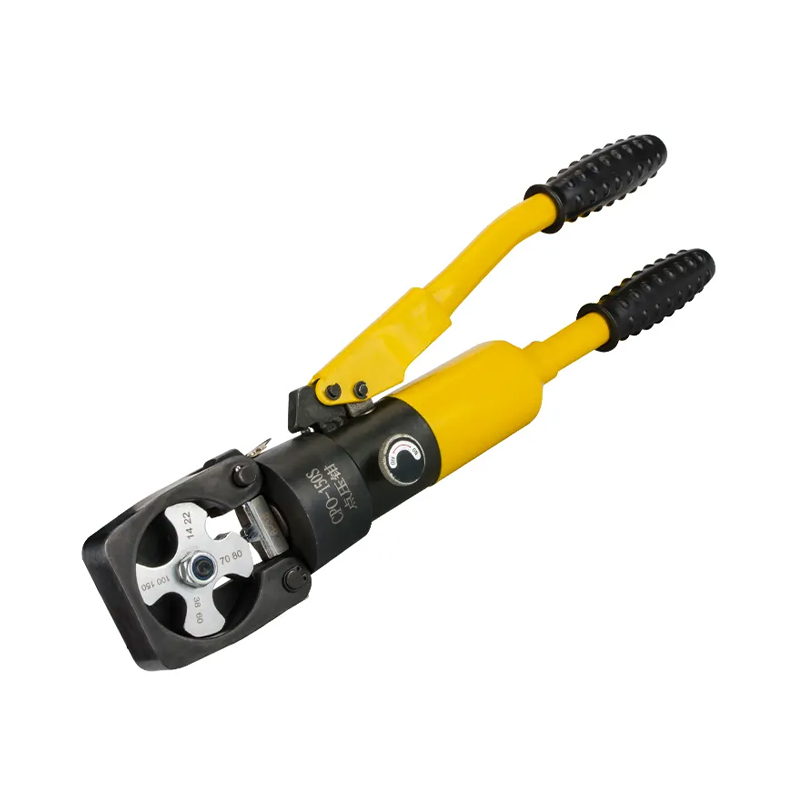
Working with electrical wiring often requires precision, safety, and reliable connections. A Manual Wire Crimping Pliers is a simple yet effective tool designed to compress connectors onto wires, ensuring secure electrical contacts. Unlike powered crimping tools, manual pliers rely on hand pressure, giving users direct control over the crimping process.
A Manual Wire Crimping Pliers works by placing a wire and terminal in the crimping slot and squeezing the handles to compress the connector. The applied pressure secures the wire inside the terminal, forming a stable electrical connection. This method is essential in electronics, automotive wiring, and home electrical projects where reliable contacts are necessary.
Manual crimping allows users to feel the resistance and adjust pressure as needed. This tactile feedback helps prevent over-crimping or under-crimping, which can affect connection quality and durability.
Manual wire crimping pliers are used in a variety of scenarios. In automotive workshops, they secure terminals for battery cables, lighting systems, and sensors. In electronics repair and assembly, they are used to join wires to connectors or circuit components. Even in home wiring projects, manual pliers provide a controlled and convenient way to make small-scale connections without specialized equipment.
The versatility of a Manual Wire Crimping Pliers makes it a useful tool for anyone who regularly works with electrical wiring or low-voltage systems.
Although manual, these pliers are designed to reduce hand strain. Handles are often cushioned or shaped for comfort, and lever mechanisms may be incorporated to increase mechanical advantage. Some pliers offer multiple crimping slots for different wire sizes, allowing a single tool to handle various tasks.
Using the correct slot for the wire gauge ensures a tight and secure crimp. Learning proper hand positioning and squeezing technique is key for consistent results, especially when performing multiple crimps in a row.
Maintaining a Manual Wire Crimping Pliers is straightforward. Regular cleaning of the jaws prevents debris from affecting the crimp. Occasional lubrication of pivot points keeps the handles smooth and responsive. Because the tool is fully mechanical, it does not require power, making it durable and reliable with basic care.
Proper storage, such as keeping the pliers in a toolbox or pouch, prevents damage to the jaws and extends the tool's life.
Even manual tools require safe handling. Users should ensure wires are correctly stripped and terminals are properly positioned before crimping. Protective eyewear is recommended when working with metal connectors, and care should be taken to avoid pinching fingers between handles.
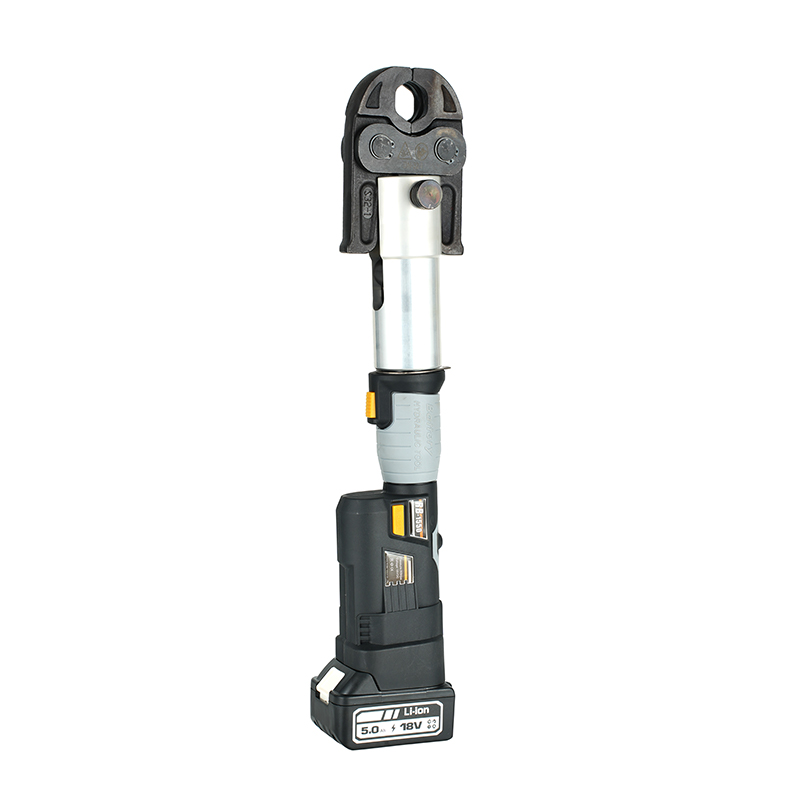
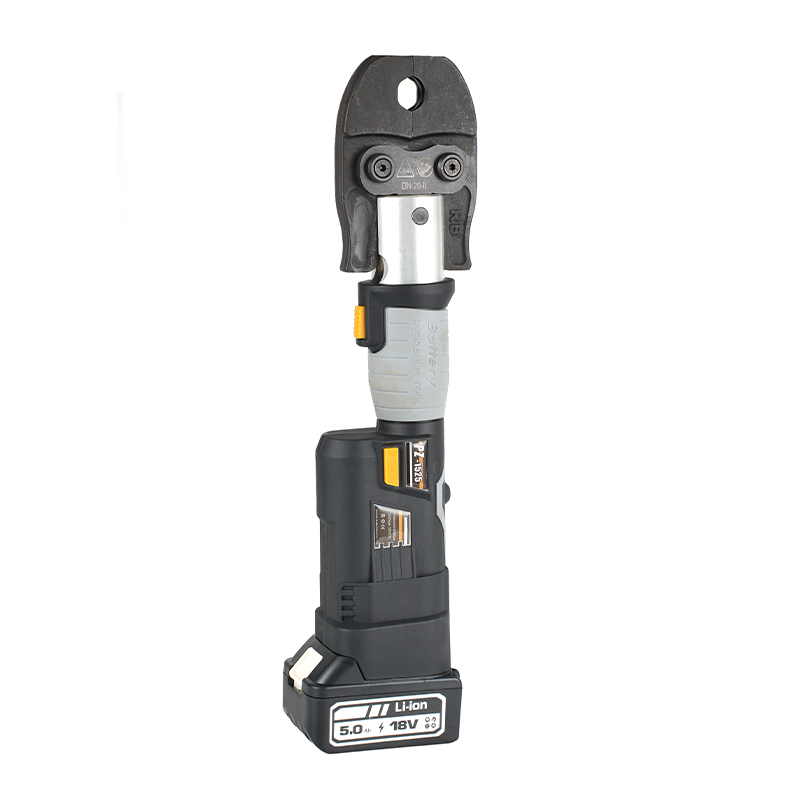
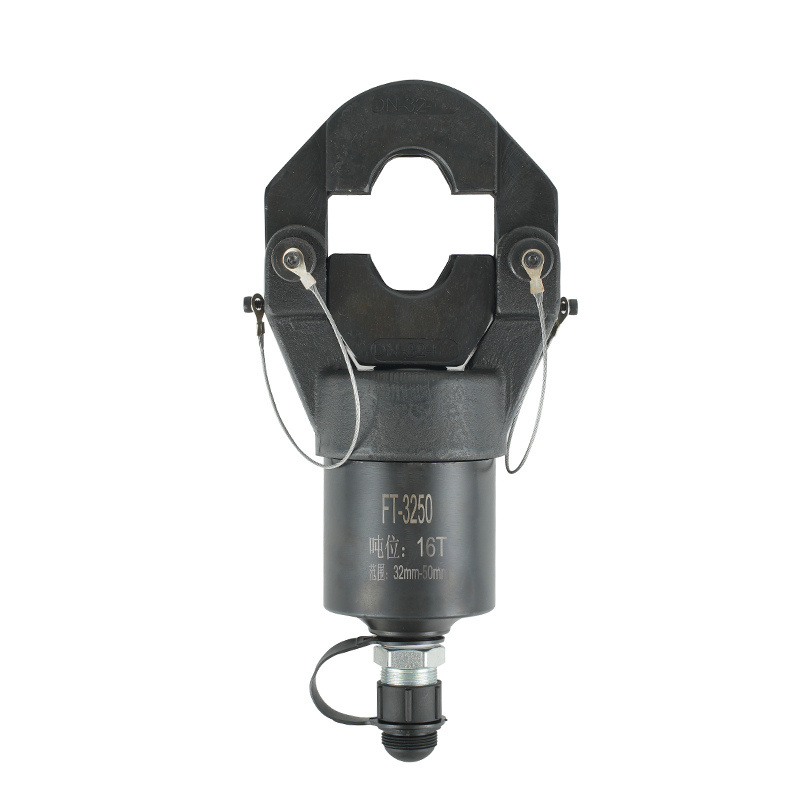
Understanding the limitations of manual pliers is also important. While they work well for small and medium wires, very thick cables may require hydraulic or battery-operated crimping tools.
A Manual Wire Crimping Pliers remains a practical choice for hobbyists, electricians, and automotive technicians. Its simplicity, portability, and precise control make it ideal for small to medium electrical tasks. By combining careful design with user skill, it supports reliable connections without relying on external power, making it a steady addition to any toolkit.
Overall, manual pliers provide a hands-on, efficient, and controlled way to crimp wires, helping ensure both safety and connection integrity in everyday electrical work.