YunGang Industrial Zone, Yuhuan County, Zhejiang province, China
  +86-18967680938
 Language
 English
 Deutsch
 عربى
عربى



Plumbing projects often require precision and reliability, especially when working with metal or plastic pipes. A practical tool that has gained attention in many workshops is the Manual Pipe Press Pliers. Unlike traditional wrenches or pipe cutters, these pliers provide a controlled pressing action that can simplify installation while maintaining a secure connection. Understanding how they work and their applications helps users make better choices for their tasks.
Basic Function and Design
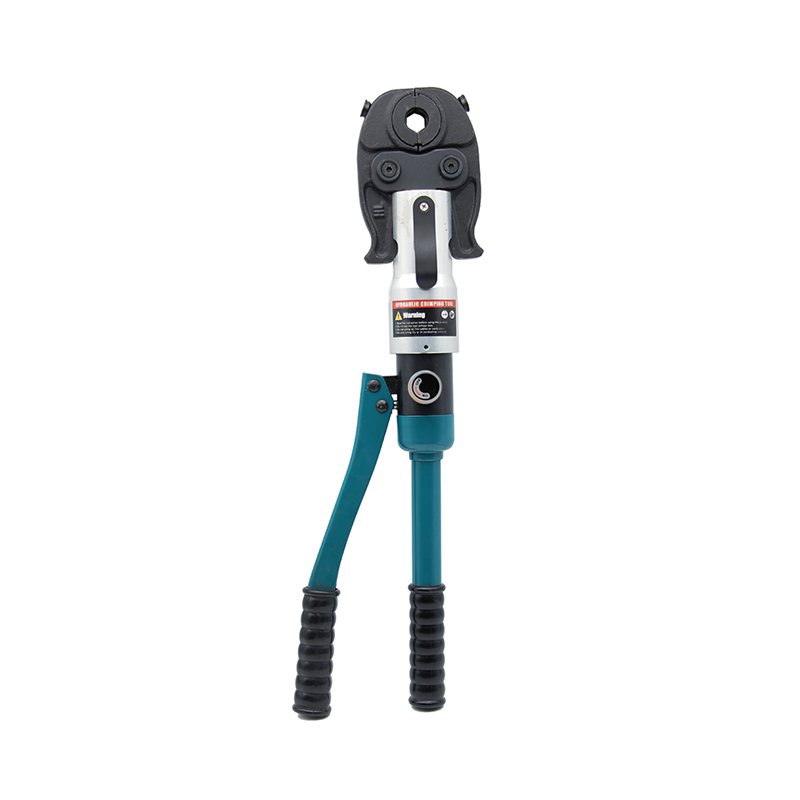
Manual Pipe Press Pliers are designed to join pipes and fittings by applying uniform pressure around the connection. The pliers' jaws fit snugly over the fitting, and the handles provide leverage to compress the joint evenly. This reduces the risk of leaks that can occur with uneven tightening or improper alignment.
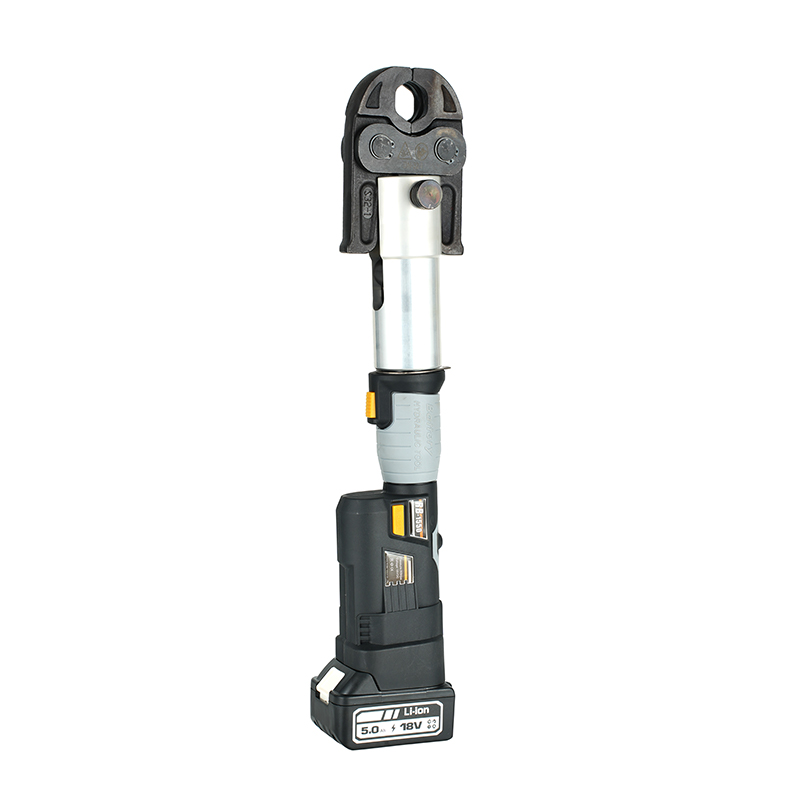
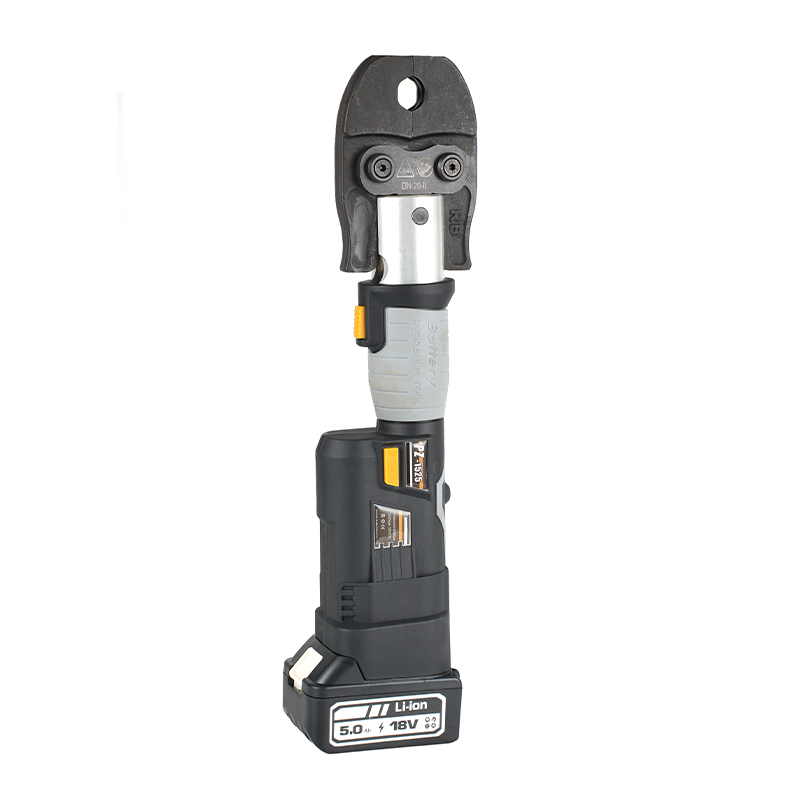
The pliers are generally lightweight and portable, making them suitable for both on-site repairs and in-shop installations. Their simple mechanical design requires no external power source, which is ideal for situations where electricity is unavailable or workspace is limited.
Applications and Versatility
These pliers are widely used in plumbing, heating, and cooling systems. They work well with various materials, including copper, stainless steel, and PEX pipes. For instance, in residential plumbing, Manual Pipe Press Pliers allow quick assembly of water supply lines without soldering. In commercial applications, they help ensure consistent fittings in tight spaces or complex layouts.
Because they create a secure mechanical connection, these pliers are often preferred for repairs where soldering or welding is not practical. Their versatility across pipe sizes and materials makes them a useful tool for both professionals and DIY enthusiasts.
Safety and Handling
Safety is an important consideration when using Manual Pipe Press Pliers. Users should ensure that the jaws are correctly positioned on the fitting before applying pressure. Incorrect placement may damage the pipe or result in an incomplete connection. Wearing gloves and eye protection is recommended to prevent injury from slipping handles or sharp edges.
Regular inspection of the pliers also helps maintain performance. Checking for wear on the jaws, handles, and pivot points ensures the tool continues to operate safely and consistently.
Maintenance and Durability
Maintenance for Manual Pipe Press Pliers is relatively simple. Wiping down the tool after use and applying light oil to pivot points prevents rust and extends its lifespan. Because they have no complex mechanical parts, these pliers are less prone to breakdown compared to powered pressing machines. With basic care, they can remain reliable for many years of use.
Choosing the Right Tool
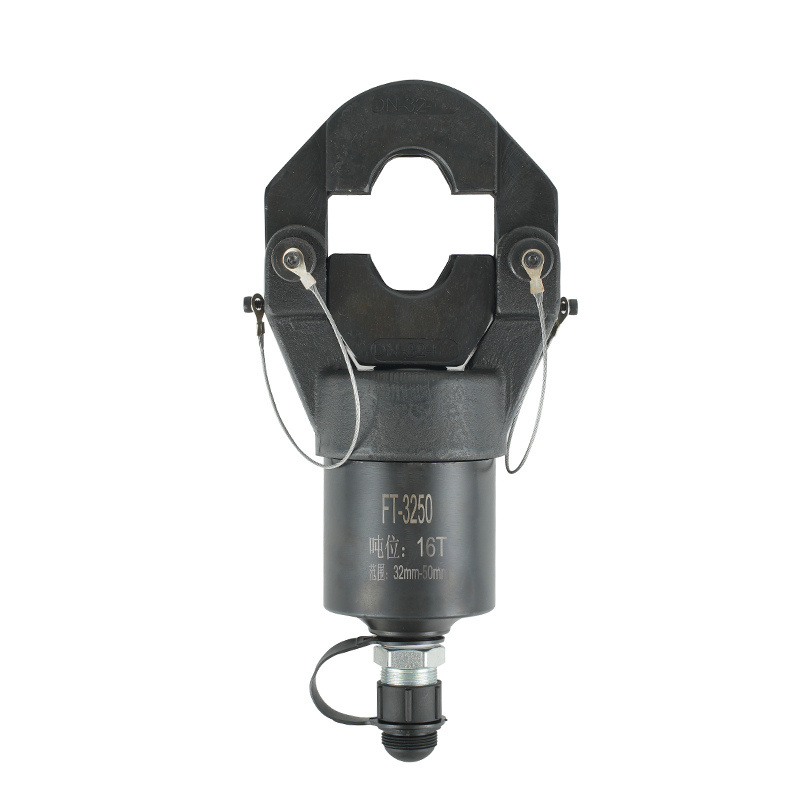
When selecting Manual Pipe Press Pliers, consider factors such as jaw size, handle length, and weight. A tool that matches the pipe diameter and type of fittings in your projects will provide smoother operation and reduce user fatigue. Some models offer interchangeable jaws for different pipe sizes, adding flexibility for varied plumbing tasks.
Manual Pipe Press Pliers are a practical, versatile tool for joining pipes efficiently and safely. By understanding their design, applications, and maintenance, users can make informed decisions and complete projects with reliable results. Whether for small household repairs or more complex installations, these pliers provide a consistent mechanical connection without the need for additional equipment, offering convenience and control in everyday plumbing work.