YunGang Industrial Zone, Yuhuan County, Zhejiang province, China
  +86-18967680938
 Language
 English
 Deutsch
 عربى
عربى
Home / News / Industry News / Electric Plumbing Crimp Tool: The Tool That Makes the Joint Without the Flame




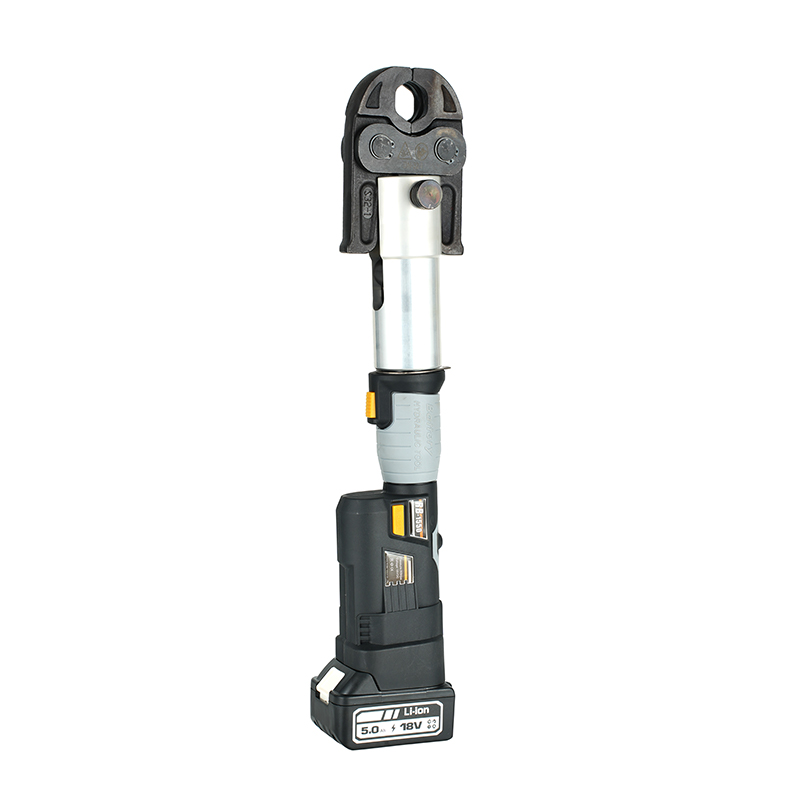
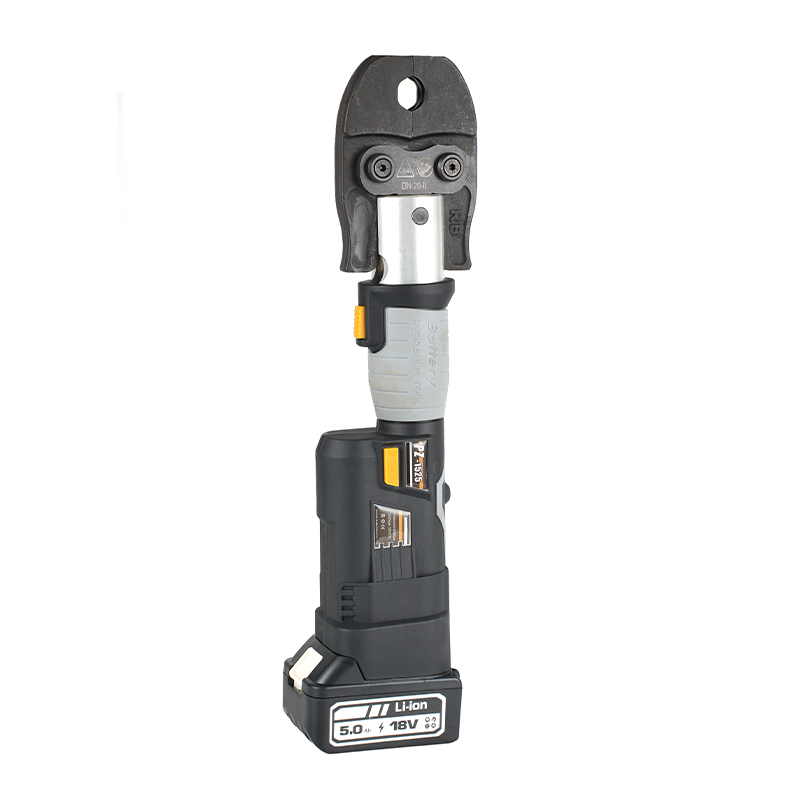
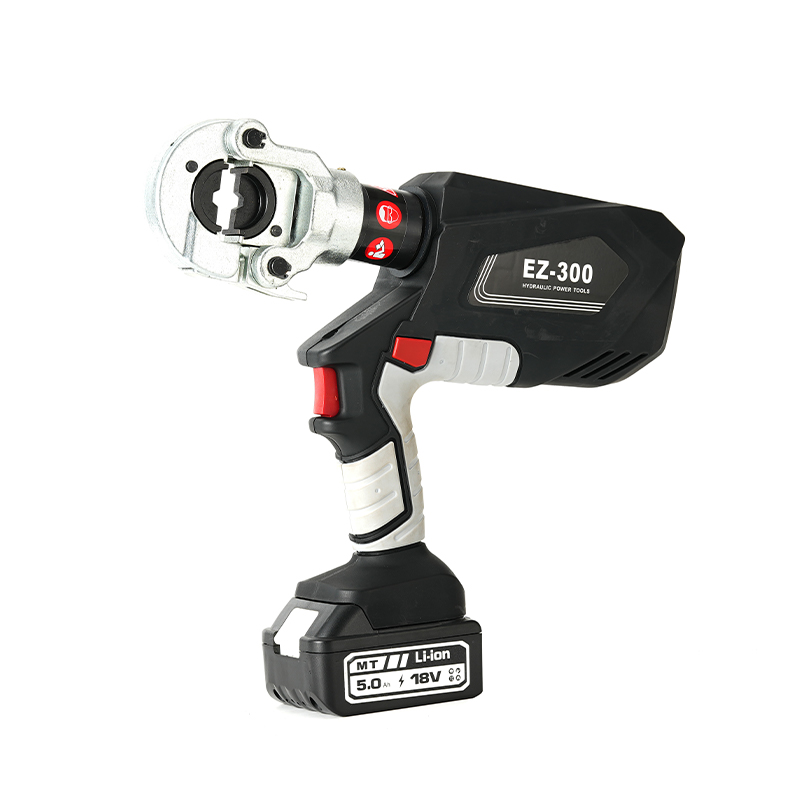
A copper pipe joint used to mean solder and a torch. Open flame, flux, and a careful hand. An electric plumbing crimp tool replaces all of that. It presses a fitting onto the pipe with a battery-powered hydraulic or mechanical drive. The joint is made cold, in seconds, without the fire risk and without waiting for the solder to cool. For plumbers, HVAC installers, and maintenance crews, the crimp tool is the modern way to join pipe.
The joint is made with a crimp ring or a press fitting. The fitting slides onto the pipe. The ring goes over the fitting. The tool closes on the ring and compresses it. The compression deforms the fitting onto the pipe and creates the seal.
An electric plumbing crimp tool has to deliver the right force to deform the ring without crushing the pipe. The tool's jaw and the ring are matched. A tool that delivers too little force leaves a loose joint that leaks. Too much force crushes the pipe and blocks the flow.
The ring is the consumable. It is matched to the fitting and the pipe size. An electric plumbing crimp tool that uses standard rings and fittings works with the materials the plumber already carries.
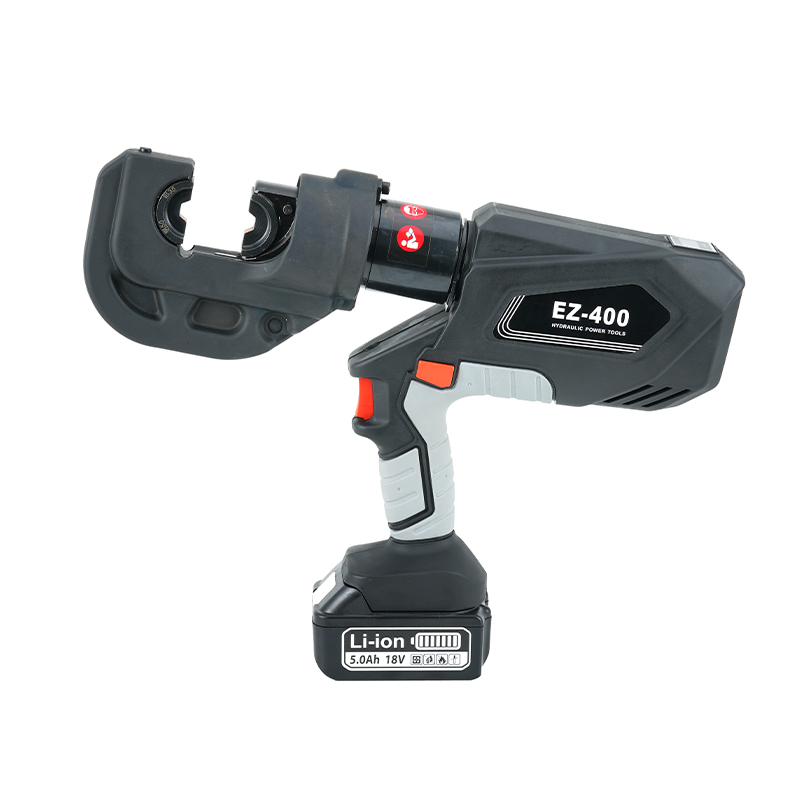
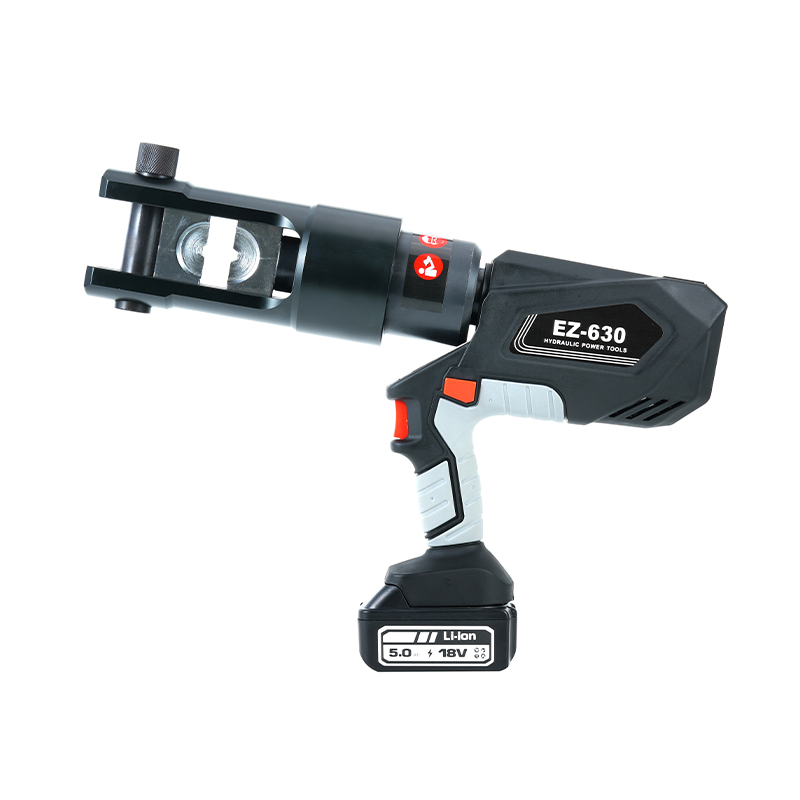
The tool runs on a lithium battery. The drive is hydraulic or mechanical. The hydraulic drive delivers the force smoothly and holds the pressure until the joint is complete. The mechanical drive uses a cam and a lever.
An electric plumbing crimp tool with a hydraulic drive presses the joint in one smooth motion. The tool has a pressure relief or a bypass that stops the press when the joint is complete. The operator cannot over-crimp.
The battery capacity determines the number of joints per charge. A 4 amp-hour pack presses a hundred joints or more. An electric plumbing crimp tool with a larger battery handles the full day without a recharge.
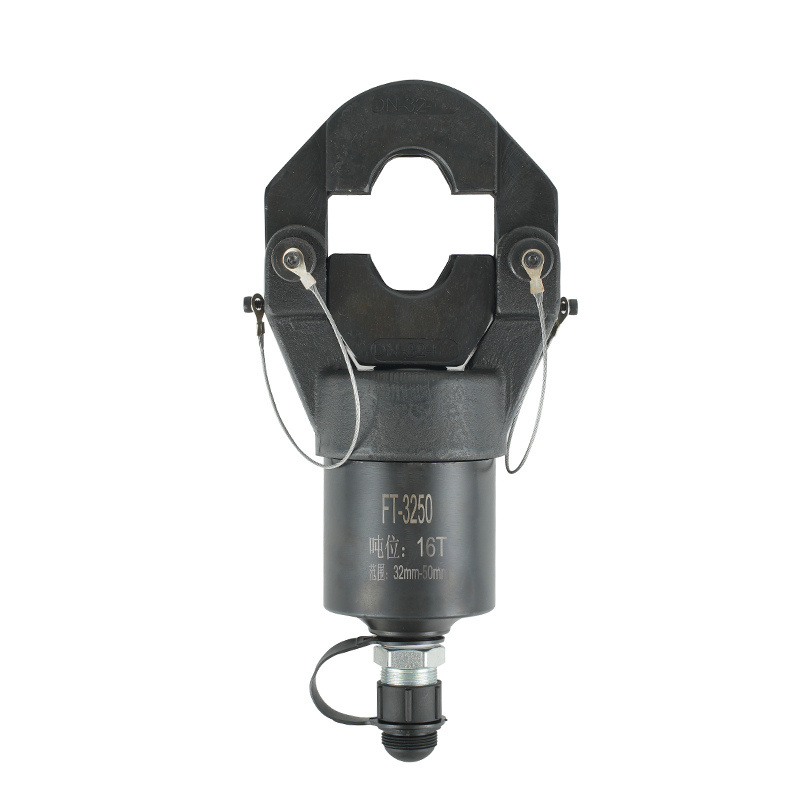
The jaw is the part that closes on the ring. It is sized to the pipe and the ring. The jaw rotates or the tool head swivels so the operator can reach the joint in a tight space. An electric plumbing crimp tool with a rotating head fits between the joists and behind the fixtures.
The jaw has to be changed for each pipe size. An electric plumbing crimp tool with a quick-change jaw system lets the plumber switch from half-inch to three-quarter inch without tools.
Here is what an electric plumbing crimp tool needs to deliver:
Residential plumbing uses the crimp tool for the water lines. The joints are made in the walls and under the floors without a torch. The fire risk is gone, and the insurance company is happier.
Commercial plumbing uses the tool for the larger pipe and the hydronic systems. The crimp joints hold the pressure and the temperature.
HVAC and refrigeration use the crimp tool for the copper lines. The joint is made without the nitrogen purge and the braze.
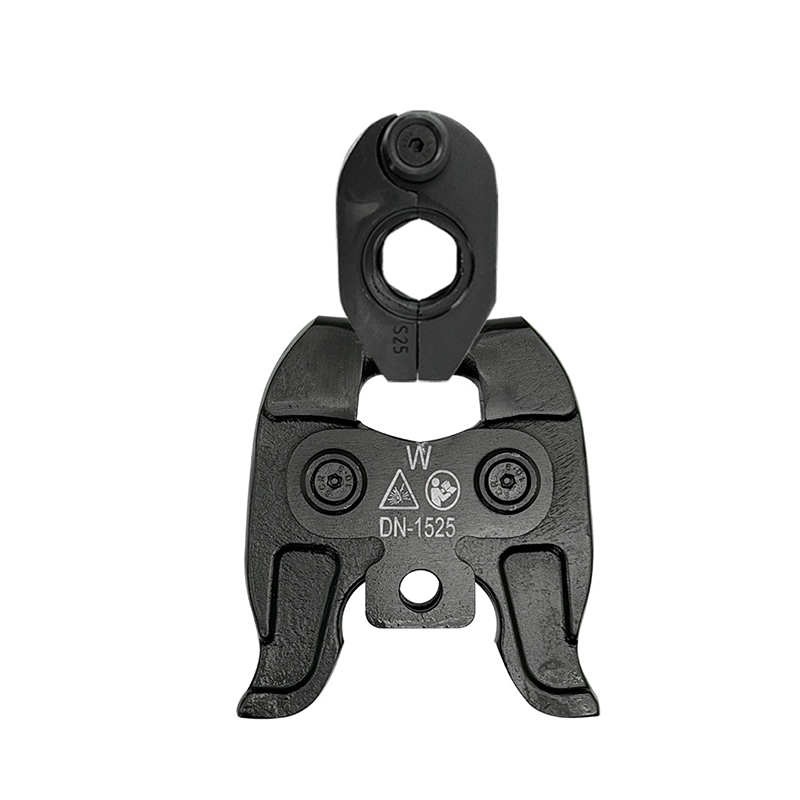
The drive loses force and the joint is under-crimped. The leak shows up weeks later. An electric plumbing crimp tool with a properly maintained hydraulic drive holds the force. The battery fades and the tool stops mid-crimp. A larger battery or a spare keeps the work moving. The jaw wears and the crimp is uneven. A quality jaw holds its dimensions.
An electric plumbing crimp tool makes the joint without the flame. The ring compresses. The fitting seals. The plumber moves to the next joint. Choose a tool with the right drive, the right jaws, and the battery for the work. The joints will hold.