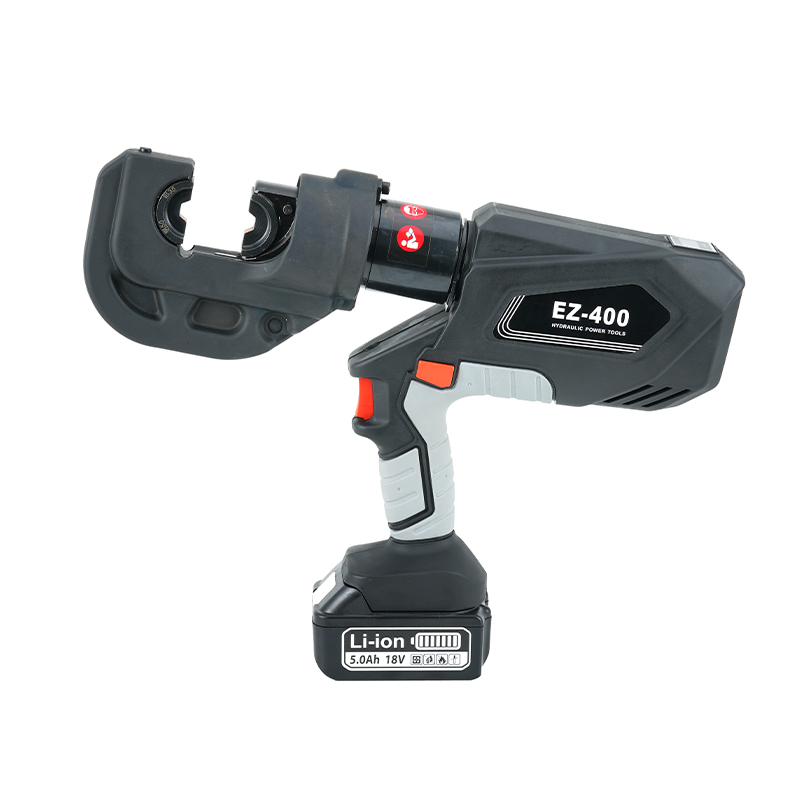
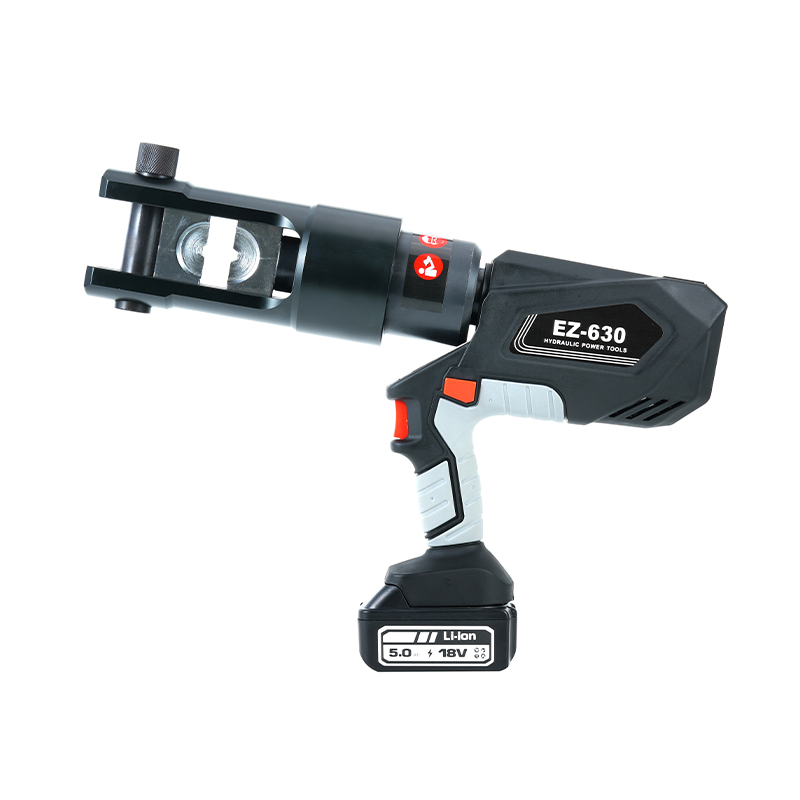
Hydraulic Split Cable Plier: The Backbone of Heavy-Duty Cable Connections
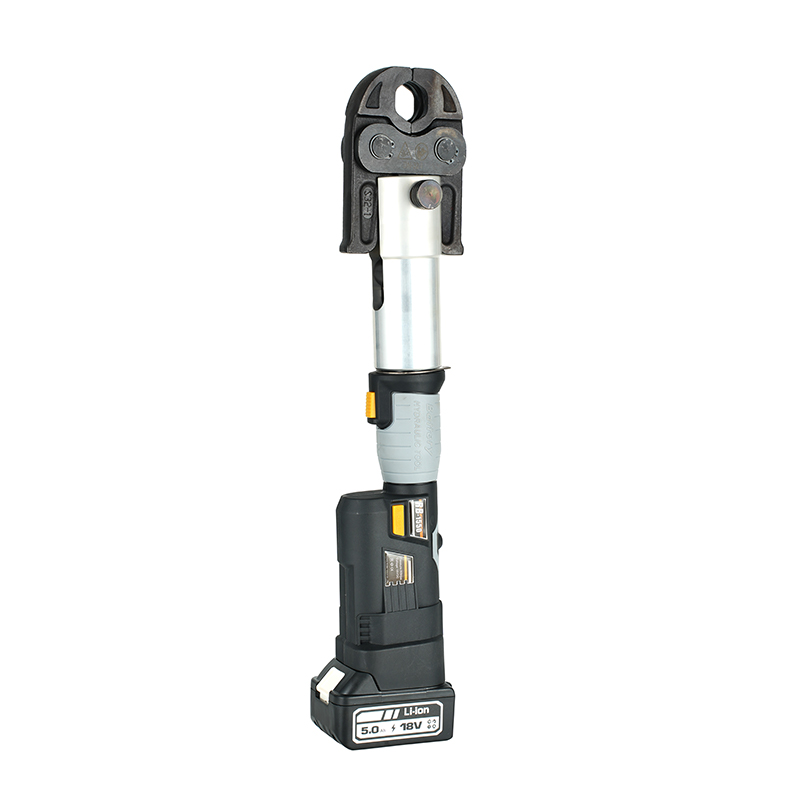
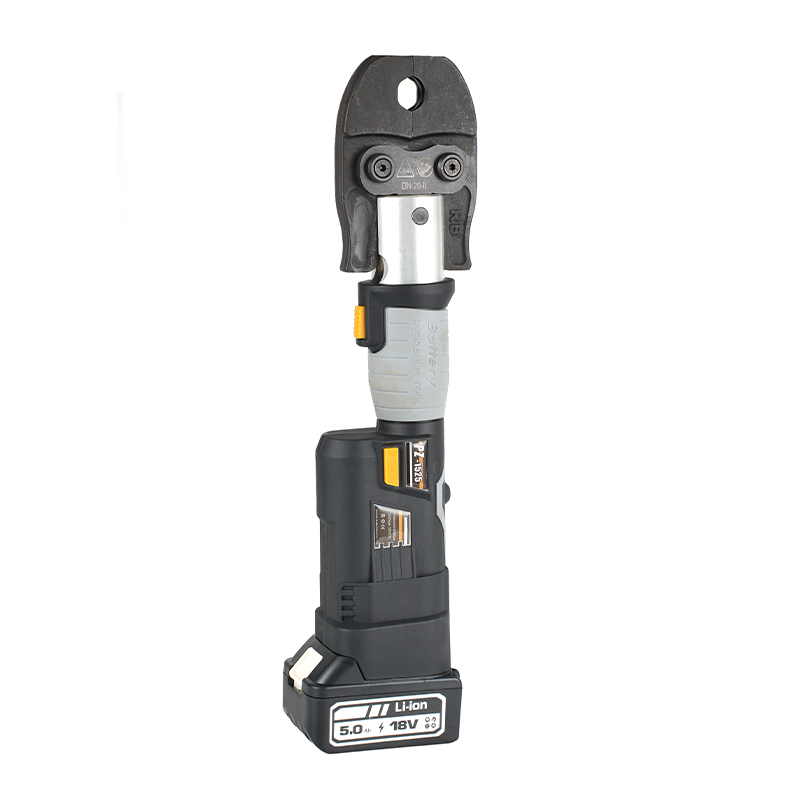
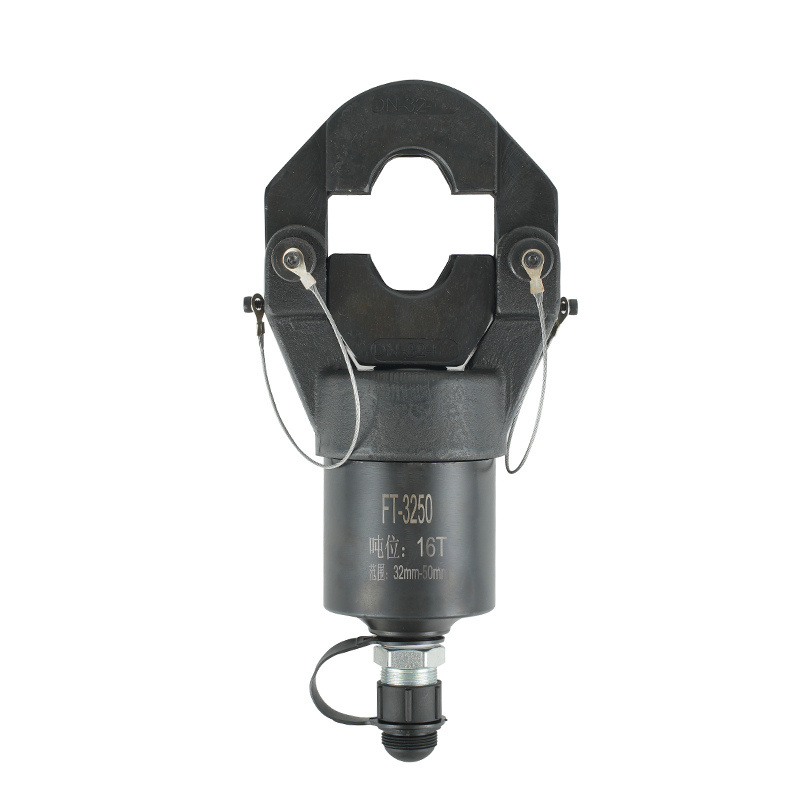
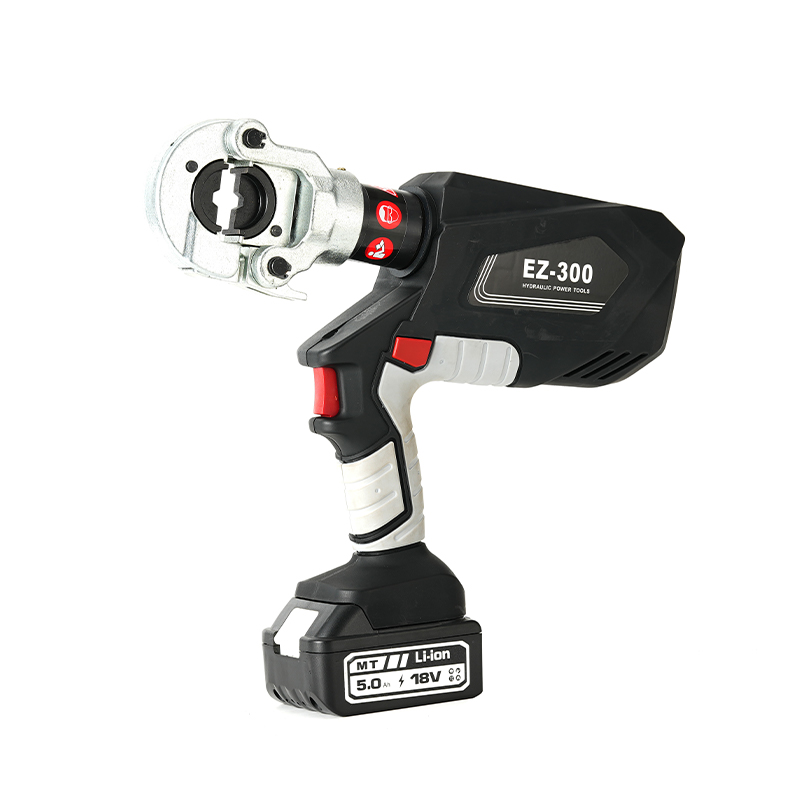
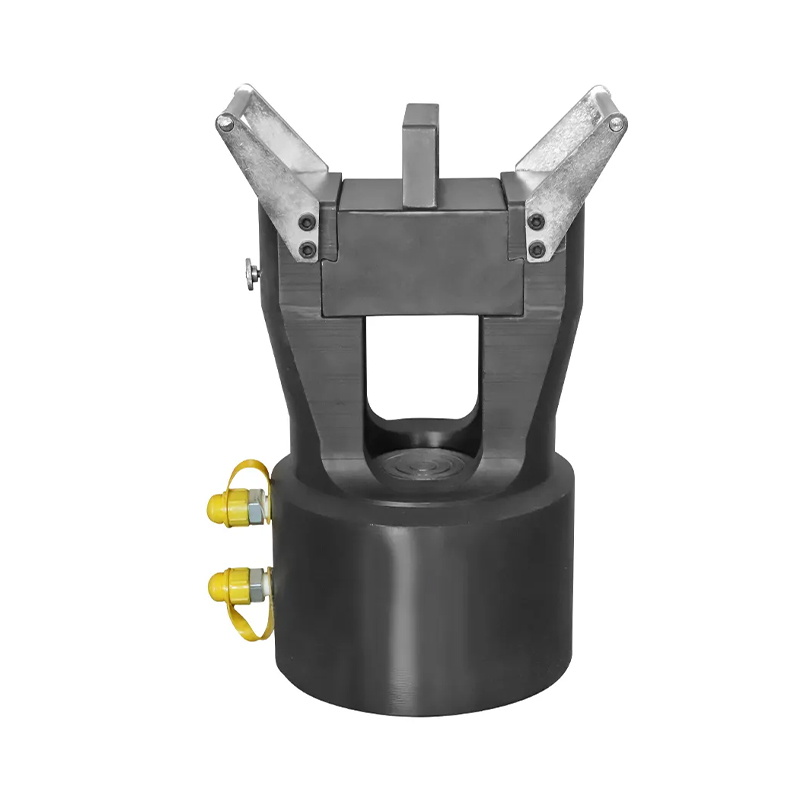
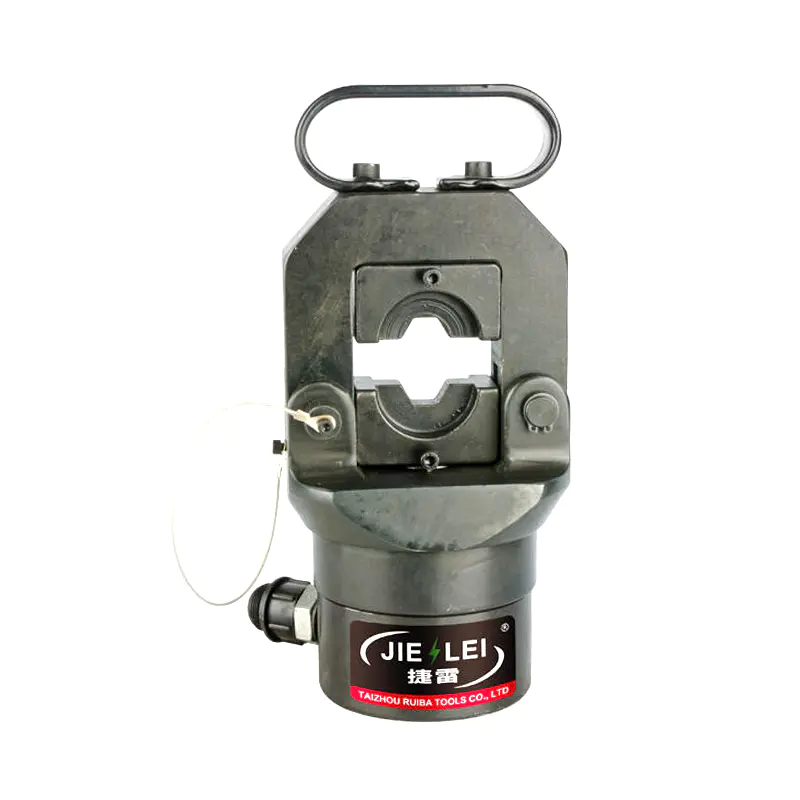
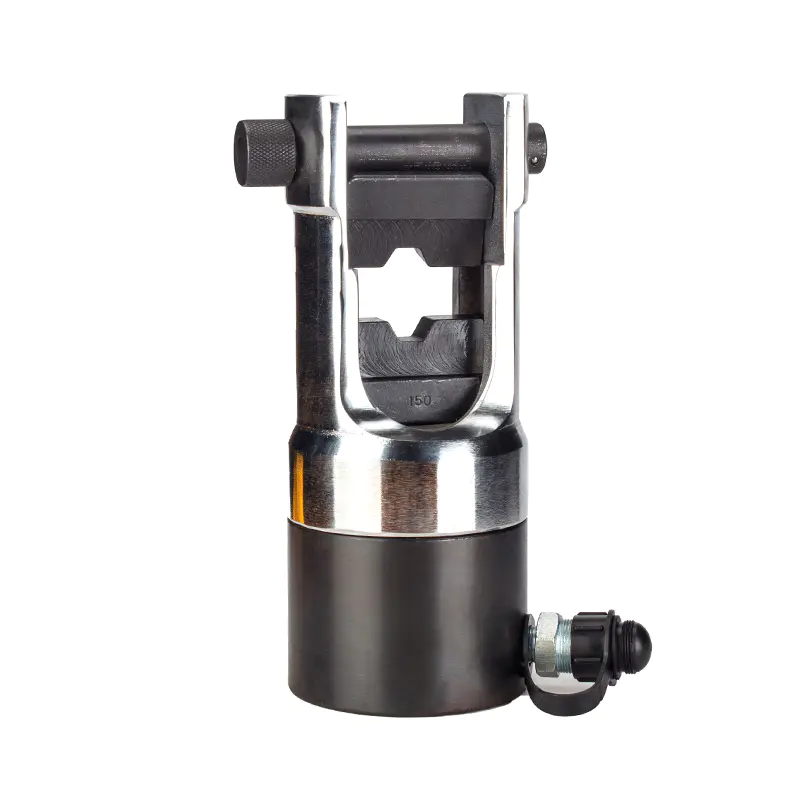
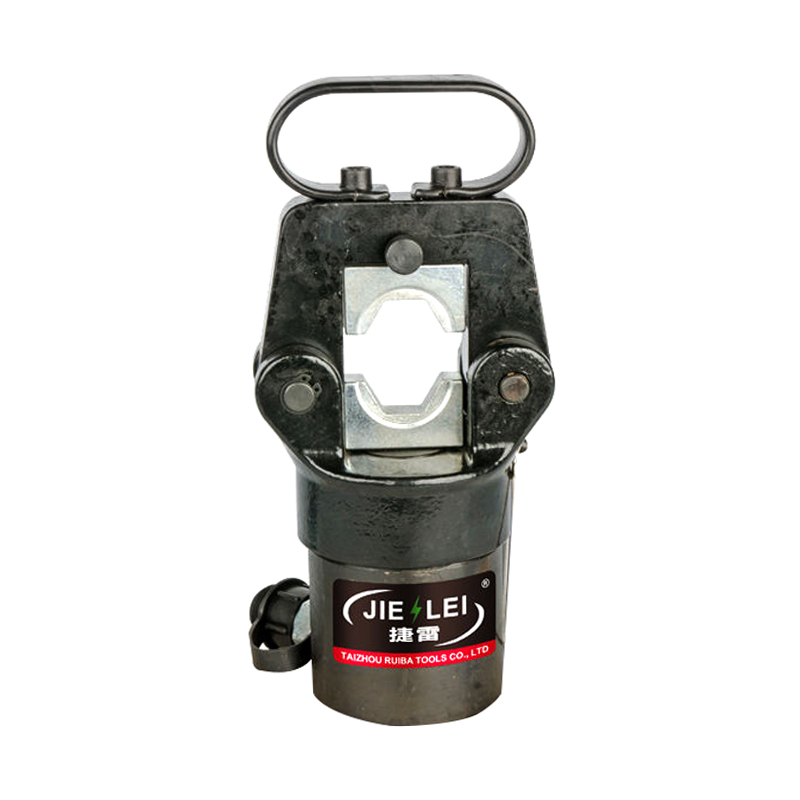
You know the challenge. You're working on a cable termination, and the tool won't fit because the cable is already in place and you can't get to the end. Standard crimpers need to slide over the cable end. A hydraulic split cable plier solves that. The jaws open up, wrap around the cable from the side, and close before crimping. You can make connections on cables that are already installed without cutting or disconnecting them. Hydraulic split cable plier manufacturers build these tools for applications where access is tight and crimp quality can't be compromised.
The Split Jaw Design That Wraps Around Installed Cable
The jaws open from the side so you can work on cable that's already in place
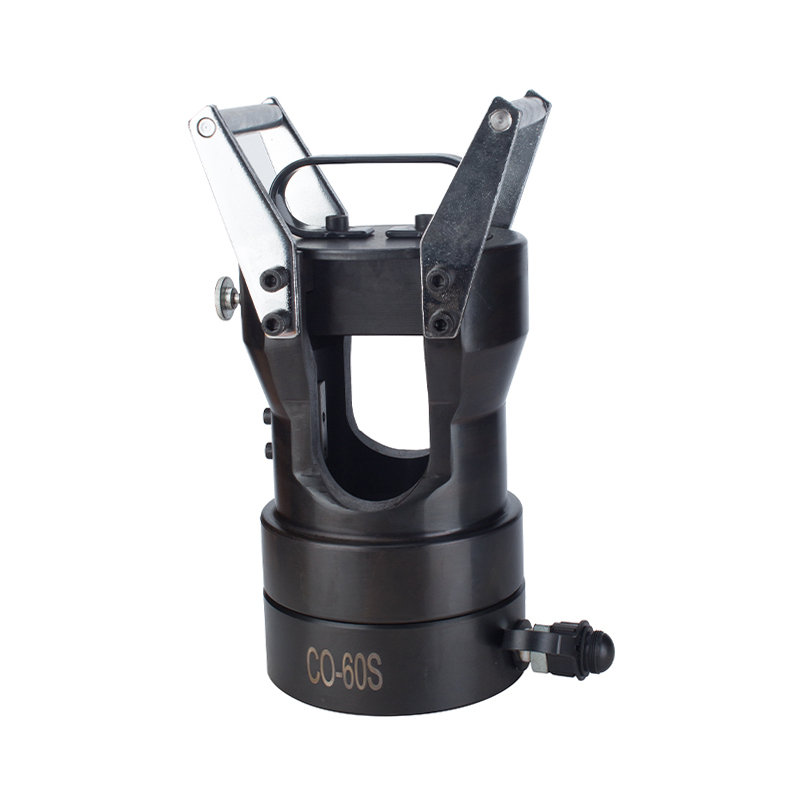
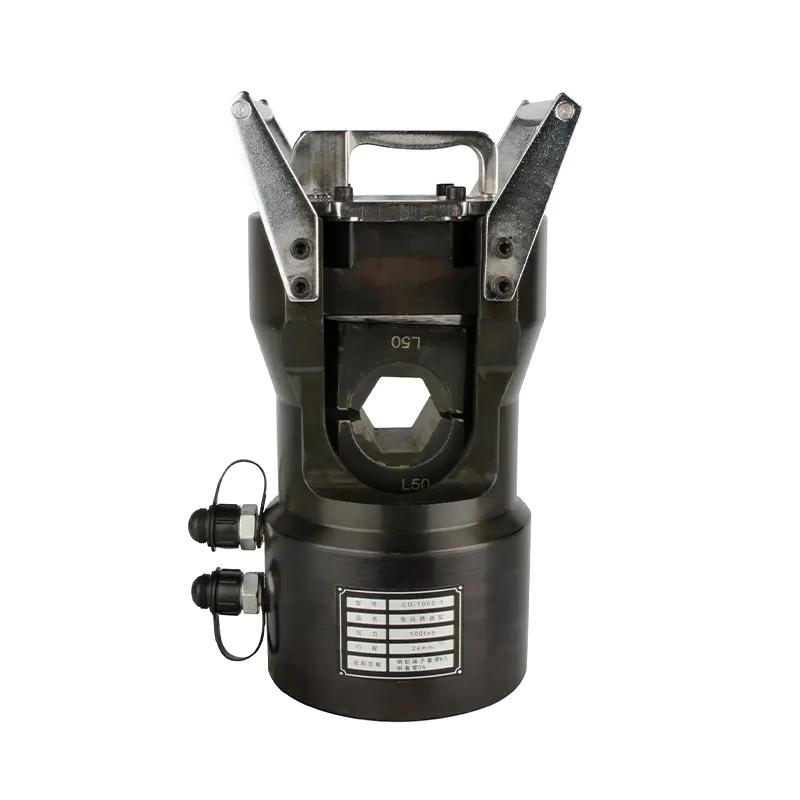
Standard crimpers need to slide over the end of the cable. A hydraulic split cable plier has jaws that open, wrap around the cable, and close before crimping. You can work on cable that's already routed and terminated at one end without cutting or pulling it back.
Interchangeable dies handle different cable sizes and connector types
Cables come in different gauges, and connectors come in different shapes. Hydraulic split cable plier manufacturers offer interchangeable dies for different cable sizes and connector types. The dies click in and out quickly, so you can switch between cable sizes without needing multiple tools.
The jaw geometry holds the connector in position during the crimp
The connector has to stay in place while the dies compress. Hydraulic split cable plier manufacturers design the jaw geometry to hold the connector securely. The crimp is centered, the force is distributed evenly, and the connection is complete.
The Hydraulic System Delivers Consistent Crimping Force
Hydraulic pressure drives the dies into the connector with the same force every time
The tool uses hydraulic force to compress the dies. Hydraulic split cable plier manufacturers design the hydraulic system to deliver consistent, repeatable crimping force. The same pressure every time, regardless of the operator's strength or fatigue level.
The sealed hydraulic system requires no regular maintenance
Hydraulic tools can leak and need service. Hydraulic split cable plier manufacturers use sealed hydraulic systems that don't leak and don't need regular maintenance. The tool stays clean and ready to use.
Automatic pressure control stops the crimp at the right point
The tool applies the right amount of force and stops automatically. Hydraulic split cable plier manufacturers design the control system to stop the crimp when the correct pressure is reached. The crimp is complete, the operator doesn't have to guess.
Common specs for hydraulic split cable pliers:
Cable capacity: up to 400mm²
Crimping force: up to 130kN
Die type: split, interchangeable
Operation: hydraulic, manual or battery-powered
Weight: varies by model
Field Applications That Need Split Cable Pliers
Electrical panel terminations where access is tight
Panels are packed with cables and components. A hydraulic split cable plier makes connections on cables that are already routed to the panel without pulling them out to get to the end. You work around the existing installation.
Motor and equipment connections on installed machinery
Motors and equipment have cables attached. A hydraulic split cable plier lets you replace terminals on existing cable runs without disconnecting the cable from the equipment. No cutting, no pulling, no rerouting.
Field repairs and maintenance where speed matters
When a cable fails, you need to fix it fast. A hydraulic split cable plier lets you cut out the damaged section and crimp on a new terminal without disassembling the entire cable run. The repair takes minutes instead of hours.
Solar and renewable energy installations with long cable runs
Solar arrays have cables running long distances between panels and inverters. A hydraulic split cable plier makes connections on installed cables without disconnecting and rerouting them across the installation.
The Key Points to Check Before Buying
The tool has to handle the cable sizes you actually work with
Cable capacity matters. Hydraulic split cable plier manufacturers should offer models that cover the cable gauges you need. Check the spec before you buy.
The dies have to match the connectors you're using
If the die profile doesn't match the connector, the crimp fails. Hydraulic split cable plier manufacturers should offer dies for the connector brands and types you use.
The crimping force has to be adequate for the cable size
Bigger cables need more force. Hydraulic split cable plier manufacturers should specify the crimping force for each die and cable combination.
The tool has to be manageable on the job
If the tool is too heavy or too bulky, you won't use it. Hydraulic split cable plier manufacturers should offer tools that are portable enough for field use and balanced enough for overhead work.
The tool has to survive daily use in tough conditions
Hydraulic split cable plier manufacturers should build tools that hold up to drops, dirt, and moisture. A tool that fails on the job is a tool that costs you time and money.
A hydraulic split cable plier is a tool that makes cable terminations possible in tight spaces. The split jaws wrap around installed cable, the hydraulic system delivers consistent force, and the dies create reliable connections. Hydraulic split cable plier manufacturers build these tools for the jobs that are hardest to access. That's what makes them essential.
 YunGang Industrial Zone, Yuhuan County, Zhejiang province, China
  +86-18967680938
 Language
 English
 Deutsch
 عربى
عربى