YunGang Industrial Zone, Yuhuan County, Zhejiang province, China
  +86-18967680938
 Language
 English
 Deutsch
 عربى
عربى



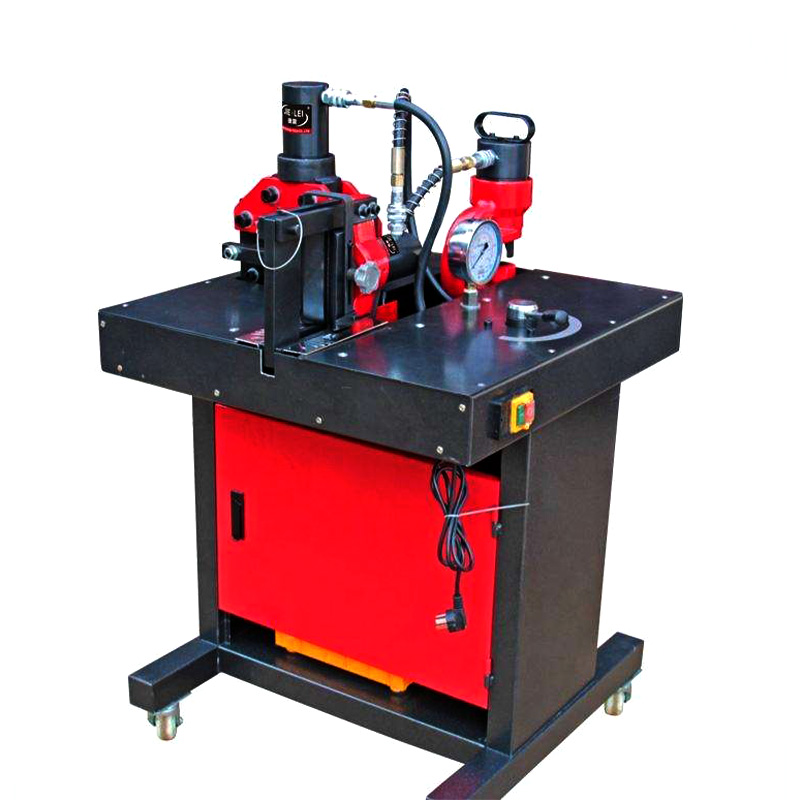
Copper bars are widely used in electrical, construction, and industrial applications. Producing high-quality copper bars requires precision and consistency, which is where Copper Bar Processing Equipment plays a crucial role. This equipment transforms raw copper materials into uniform bars suitable for further use in manufacturing processes. Understanding the capabilities and workflow of such equipment helps businesses and manufacturers improve efficiency and product quality. Modern factories increasingly rely on automated systems to maintain steady output and meet tight production schedules.
The primary goal of Copper Bar Processing Equipment is to ensure that copper bars are accurately shaped, sized, and treated for their intended use. Modern machines are designed to handle various bar dimensions, offering flexibility in production. Common features include automated feeding systems, precise cutting mechanisms, and consistent heat treatment controls. These functionalities reduce manual labor and help maintain uniformity across batches, which is essential for industrial applications. Some machines also allow remote monitoring and control, making operations safer and more efficient.
The operation of Copper Bar Processing Equipment typically involves several stages:
Each stage is carefully monitored to reduce errors and waste, ensuring the final product meets industrial requirements. Factories may also integrate real-time data collection to track production efficiency and detect potential issues early.
Using Copper Bar Processing Equipment offers several benefits. Automation increases production efficiency and reduces human error, while precise control ensures consistent bar quality. Manufacturers can produce copper bars for multiple industries, including electrical wiring, busbars, and construction, without frequent equipment adjustments. Additionally, consistent output helps companies maintain reliable supply chains and reduce costs associated with material waste. The flexibility of modern equipment also allows manufacturers to quickly switch production lines for different copper grades or sizes.
Maintaining Copper Bar Processing Equipment is critical for long-term performance. Regular lubrication, inspection, and replacement of worn parts help prevent unexpected downtime. Safety measures, such as guarding moving components and implementing emergency stop functions, are also essential. By following these practices, manufacturers ensure safe operation while extending the lifespan of their equipment. Training operators to handle the equipment properly further enhances workplace safety.
Some Copper Bar Processing Equipment can be customized for specific production needs. Adjustable cutting lengths, variable speed settings, and additional surface treatments allow manufacturers to tailor production for different types of copper bars. This flexibility is particularly useful for businesses serving multiple sectors, as it reduces the need for multiple machines and streamlines the production process. Factories can also integrate automation software to track production, reduce waste, and manage inventory efficiently.
Copper Bar Processing Equipment is an integral part of modern copper manufacturing. From feeding and straightening to cutting and surface treatment, each function is designed to ensure precision and efficiency. Manufacturers who invest in reliable equipment can maintain consistent product quality, improve operational efficiency, and meet industry demands more effectively. Understanding the capabilities, maintenance requirements, and adaptability of this equipment helps businesses make informed decisions for long-term productivity and sustainable operations.