YunGang Industrial Zone, Yuhuan County, Zhejiang province, China
  +86-18967680938
 Language
 English
 Deutsch
 عربى
عربى
Home / News / Industry News / Electric Plumbing Crimp Tool Factory: The Tool That Replaces Torches and Solder




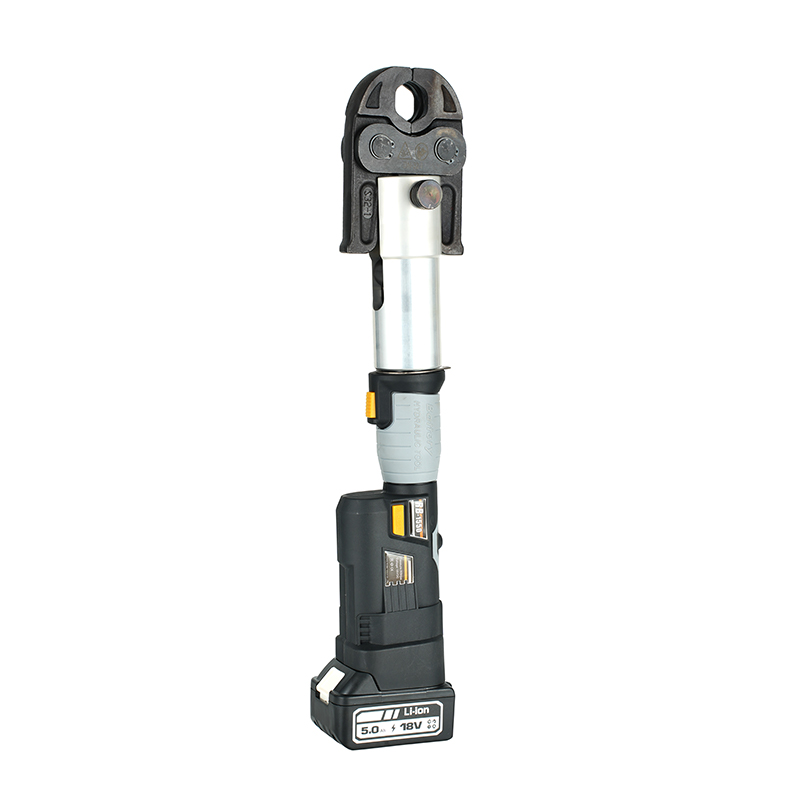
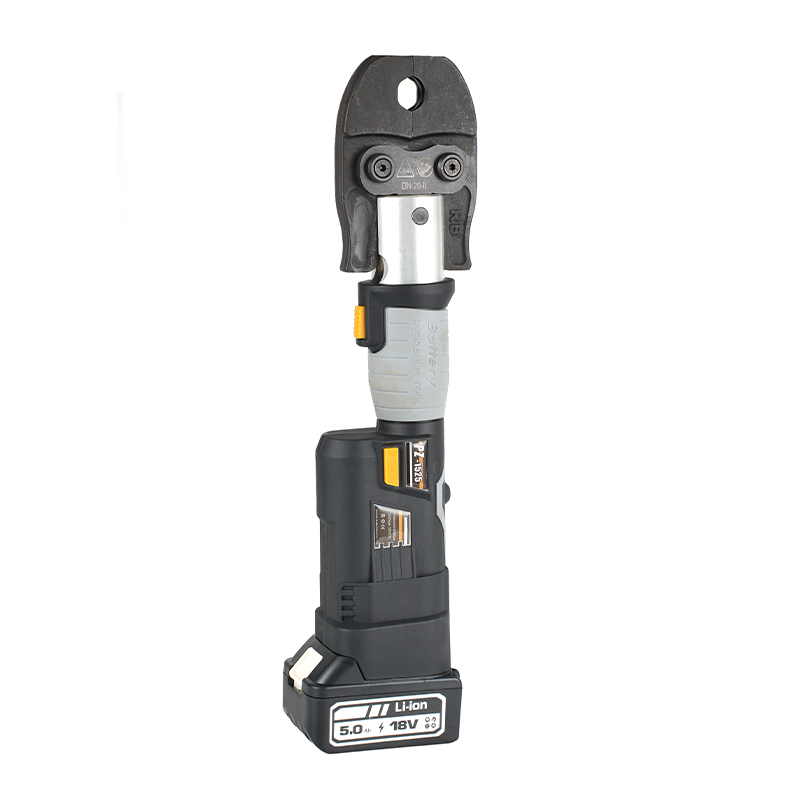
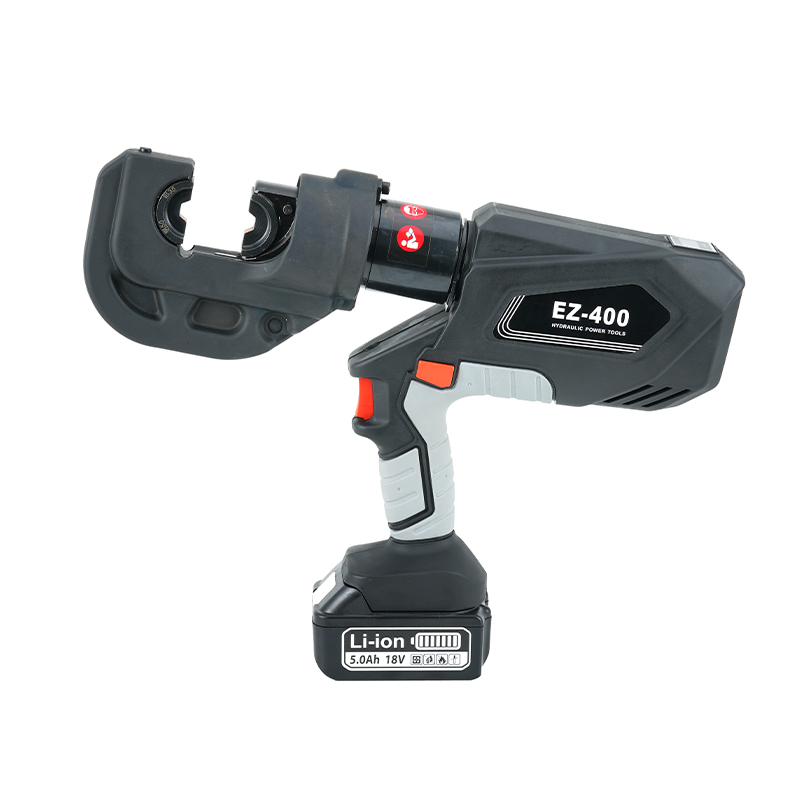
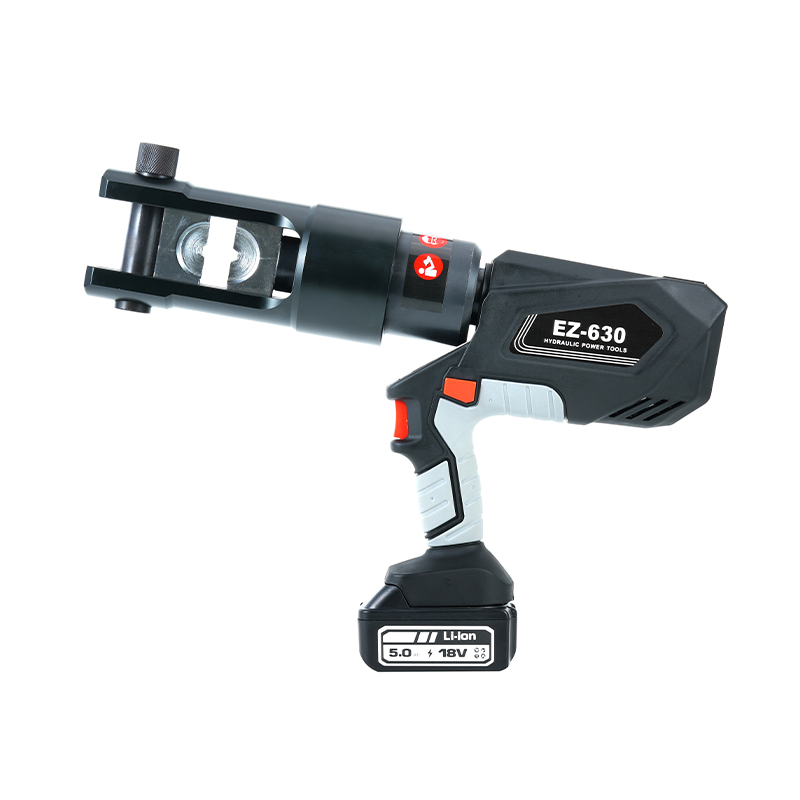
Walk into any commercial plumbing job or residential repipe. You won't see as many torches as you used to. Instead, you'll hear a whir and a click—an electric crimp tool compressing a copper or PEX fitting onto a pipe. No solder. No open flame. No waiting for joints to cool. Behind every reliable crimp tool stands an electric plumbing crimp tool factory, a facility that assembles the motors, jaws, and electronics that make press-fitting faster and safer than traditional sweat-soldering.
It compresses fittings onto pipes with precise force
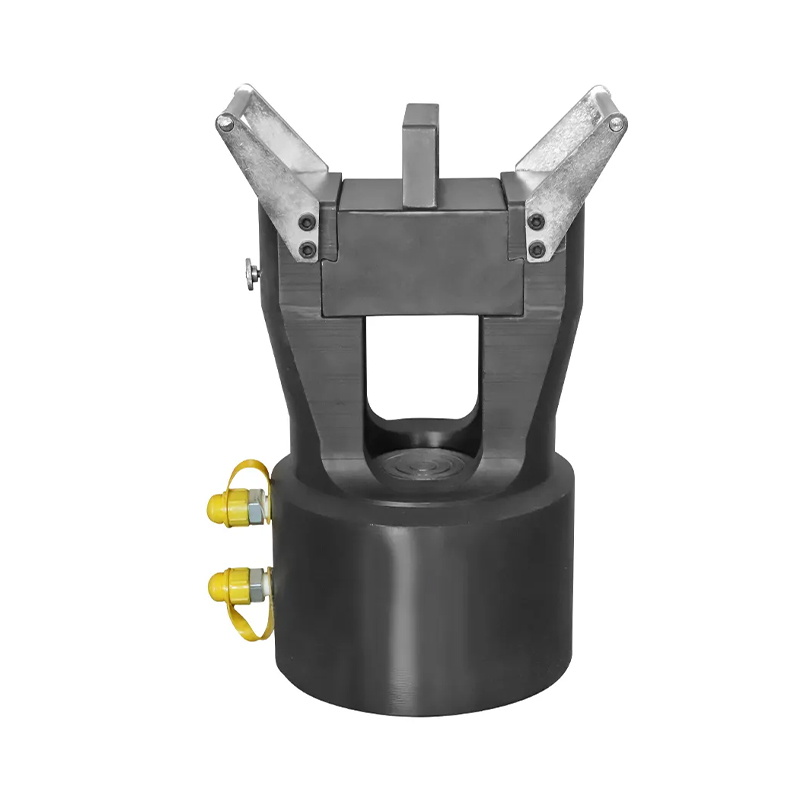
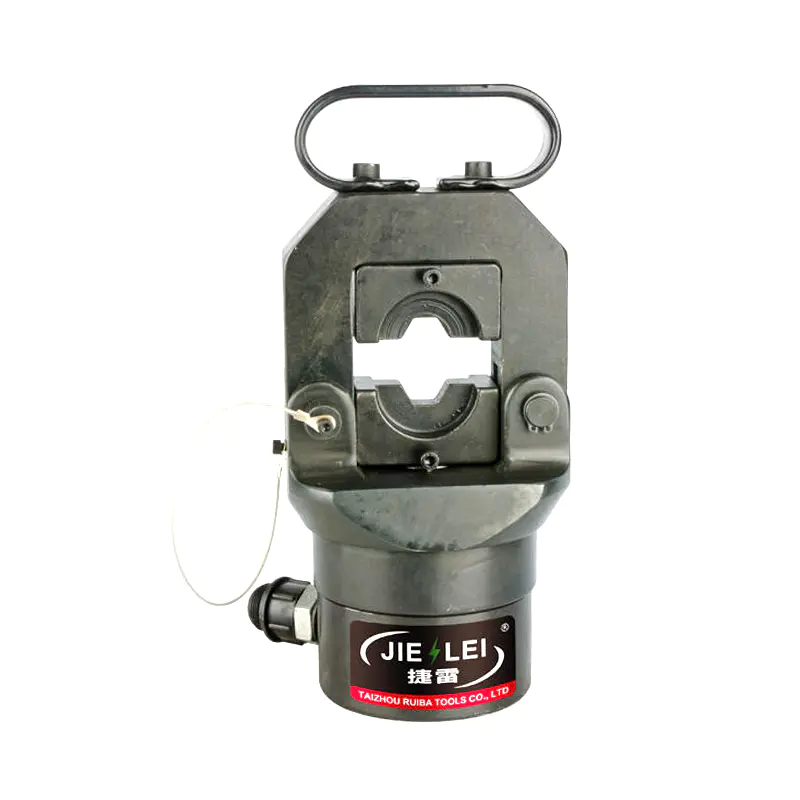
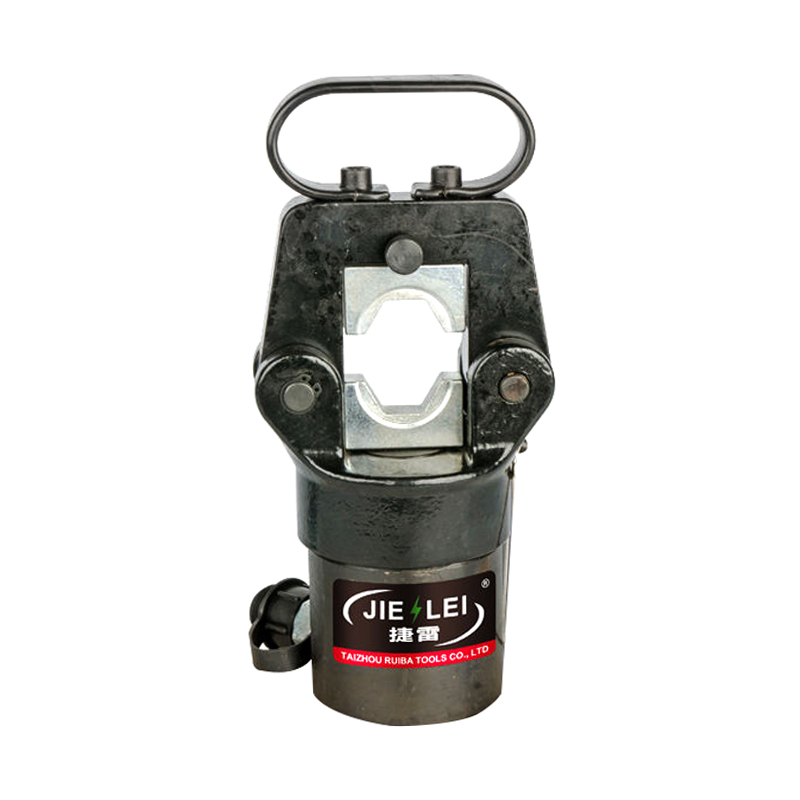
The tool has jaws that close around a press fitting. When you pull the trigger, a motor drives a hydraulic or mechanical system that squeezes the fitting down to a specific diameter. An electric plumbing crimp tool factory calibrates the crimping force so the fitting forms a permanent, leak-proof seal without deforming the pipe.
It replaces open-flame soldering
Instead of heating a fitting with a torch and melting solder into the joint, the crimp tool compresses a pre-formed fitting with an O-ring or metal-to-metal seal. An electric plumbing crimp tool factory makes tools that work with multiple fitting systems—copper press, PEX, and multilayer composite.
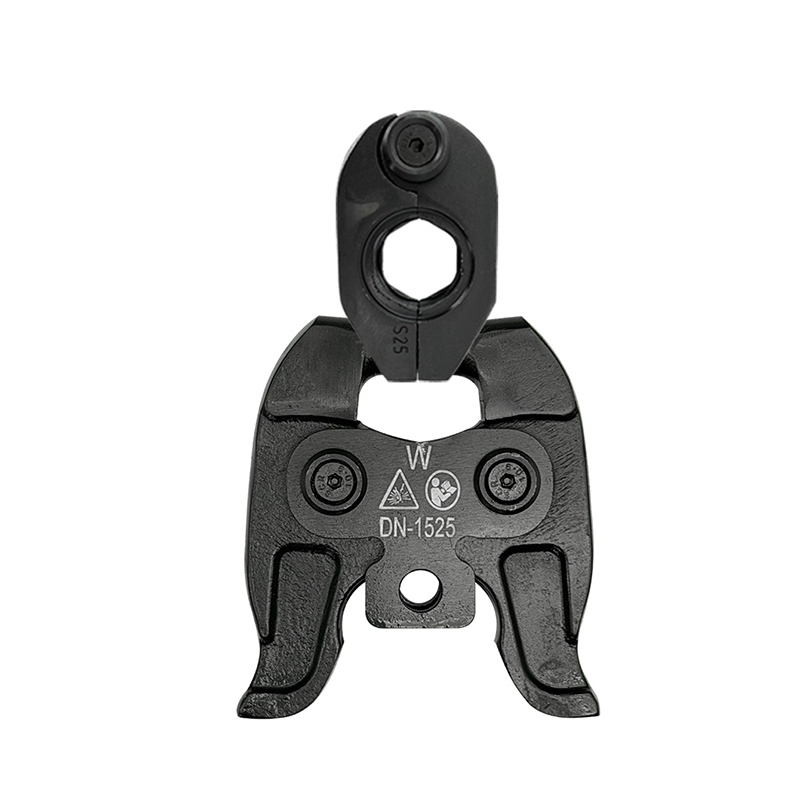
It works with interchangeable jaws for different sizes
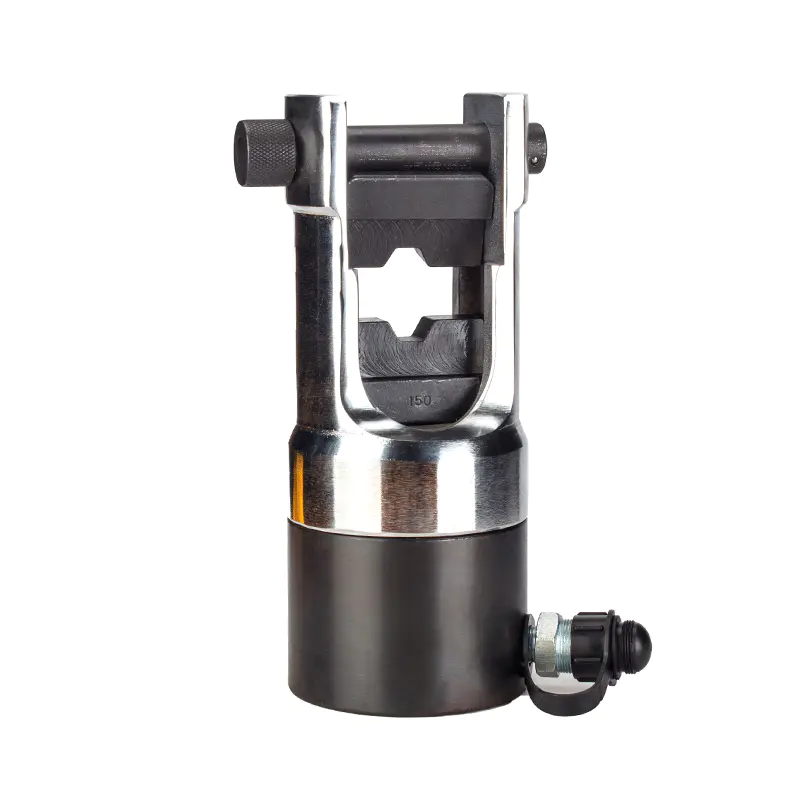
A single tool handles multiple pipe diameters. You swap out the jaw set—½ inch, ¾ inch, 1 inch—and the tool applies the right force for that size. An electric plumbing crimp tool factory designs the jaw interface so changeovers take seconds.
The motor and drive train
A brushless or brushed DC motor powers the crimping action. The motor drives a gearbox or hydraulic pump that multiplies torque. An electric plumbing crimp tool factory selects motors rated for intermittent duty—crimping takes a few seconds per joint, but plumbers do hundreds per day.
The hydraulic or mechanical system
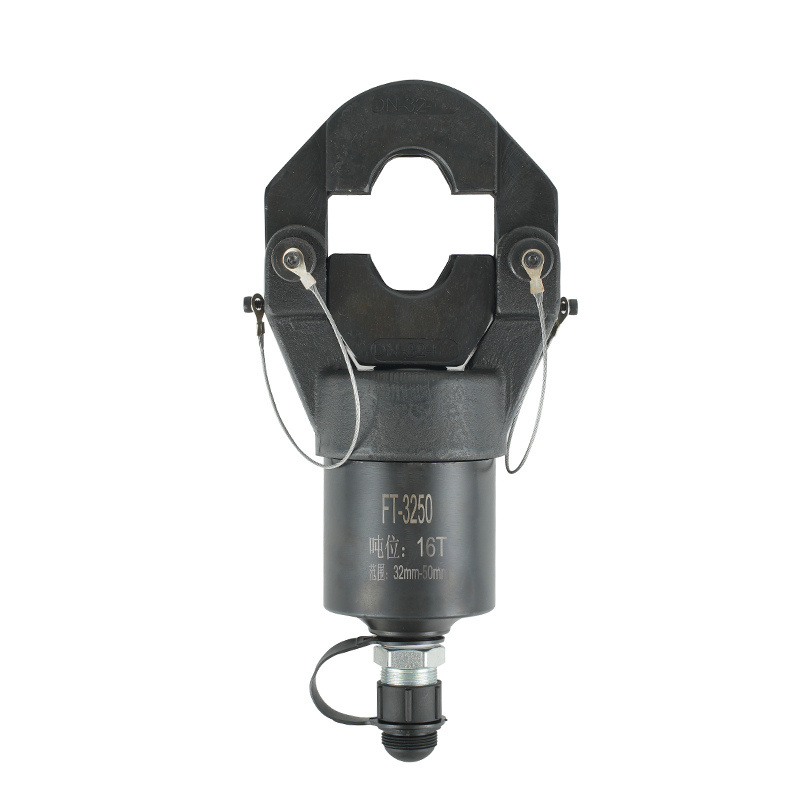
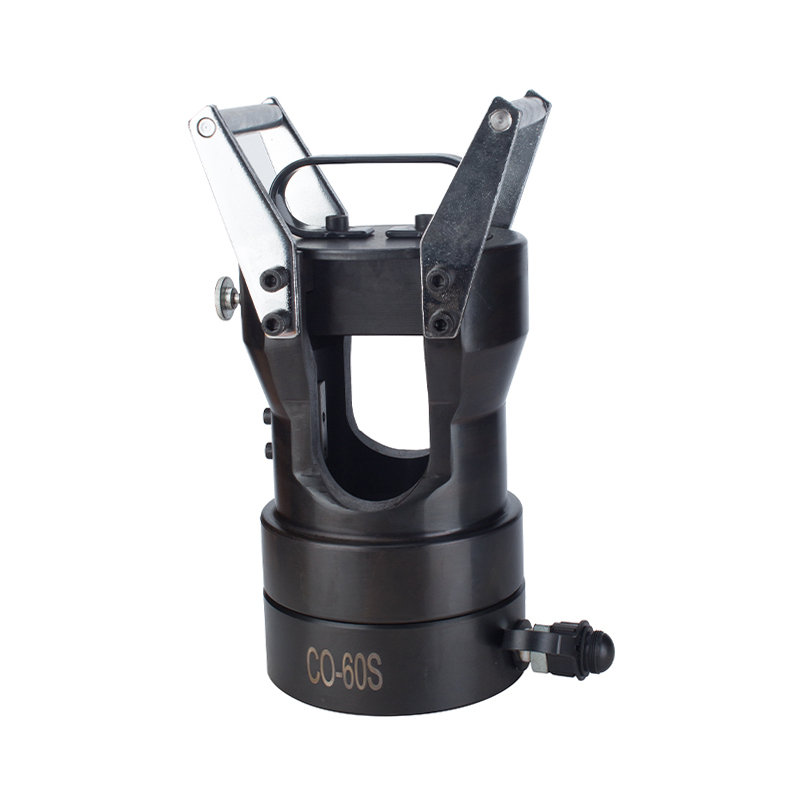
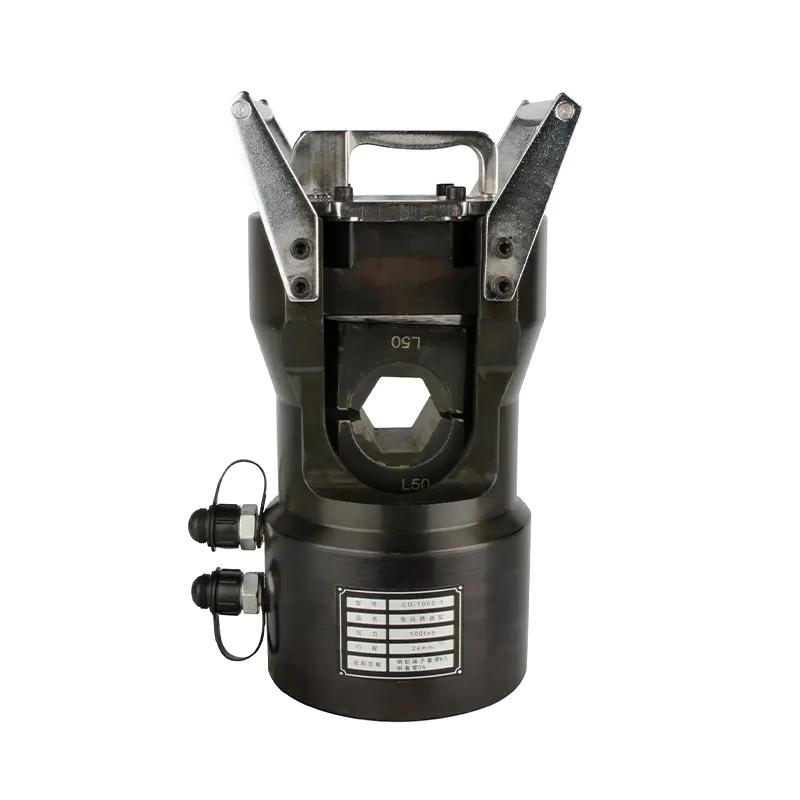
High-end tools use hydraulic fluid and a piston to generate crimping force—typically 5,000 to 10,000 pounds. Lower-cost tools use mechanical linkages and gears. An electric plumbing crimp tool factory chooses the system based on the target price and durability requirements.
The jaw retention and release mechanism
Jaws must lock securely during crimping and release easily when you're done. A quick-change pin or button makes swaps fast. An electric plumbing crimp tool factory uses hardened steel components to withstand the repeated force.
The control electronics
A circuit board manages motor speed, monitors battery voltage, and sometimes tracks crimp cycles. Some tools include LED indicators for proper crimp completion. An electric plumbing crimp tool factory programs the electronics to prevent operation if the tool isn't fully closed.
Battery-powered handheld units
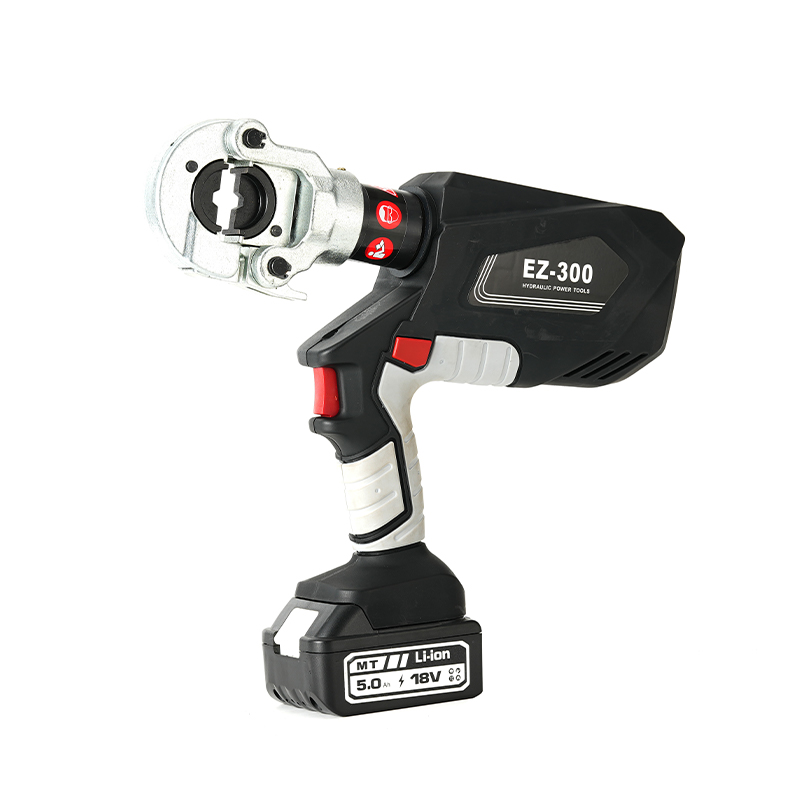
The many common type. Runs on 18V or 20V lithium battery packs, same as other cordless tools on the job site. An electric plumbing crimp tool factory produces these for plumbers who need portability and speed.
Corded electric units
Higher power, continuous use. Used in factory assembly or large commercial jobs where outlets are available. An electric plumbing crimp tool factory makes these with longer duty cycles and heavier-duty components.
Manual crimp tools
No motor, just mechanical leverage. Used for occasional repair work or by plumbers who prefer the simplicity. An electric plumbing crimp tool factory still produces these as an entry-level or backup option.
Copper press fittings
Fittings with a stainless steel or copper ring and an internal O-ring. The tool compresses the ring onto the pipe, creating a watertight seal. An electric plumbing crimp tool factory offers jaws compatible with Viega, Uponor, or other proprietary systems.
PEX crimp and clamp fittings
PEX pipes use barbed fittings with copper crimp rings or stainless steel clamps. The tool compresses the ring or clamp onto the pipe. An electric plumbing crimp tool factory provides jaws for both crimp and clamp styles.
Multilayer composite fittings
Aluminum-core pipe with plastic layers uses press fittings similar to copper. The tool compresses the fitting onto the pipe. An electric plumbing crimp tool factory offers universal jaws that handle multiple systems.
Crimp force accuracy
The tool must deliver the exact force specified by the fitting manufacturer. Too little and the joint leaks. Too much and the pipe deforms. A reliable electric plumbing crimp tool factory calibrates each tool against a force gauge before shipping.
Durability under daily use
Plumbers drop tools, work in wet conditions, and run hundreds of crimps per day. A good factory uses metal housings, sealed electronics, and impact-resistant cases. The tool should survive a drop from ladder height.
Jaw alignment and precision
Jaws must close superbly parallel. If they're misaligned, the crimp is uneven and the fitting fails. A serious electric plumbing crimp tool factory machines jaws to tight tolerances and tests alignment on every set.
Battery compatibility
Many plumbers own multiple cordless tools from the same brand. A tool that uses the same battery platform is more attractive. An electric plumbing crimp tool factory that offers compatibility with DeWalt, Milwaukee, or Makita batteries gives plumbers convenience.
Serviceability and parts support
Motors wear, seals leak, jaws need replacement. A good factory stocks replacement parts and provides repair instructions. Plumbers can't afford days of downtime.
An electric plumbing crimp tool factory produces the tool that changed how pipes connect. The good ones build accurate, durable tools with consistent crimping force. They offer multiple jaw types for different fitting systems. They test every tool before shipping. The result is a tool that makes a joint in seconds, with no flame, no fumes, and no waiting. Choose a factory that understands a crimp tool isn't just a tool—it's how plumbers get the job done faster and safer.